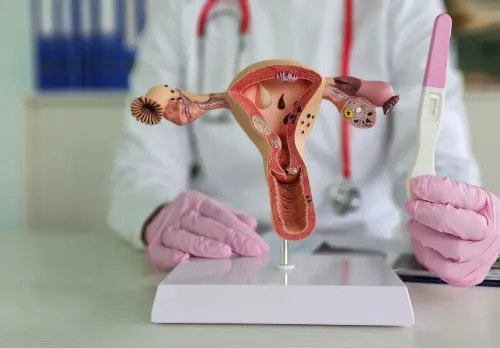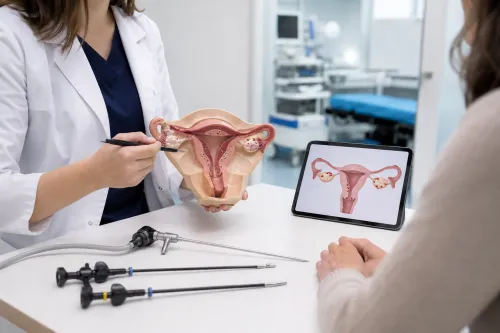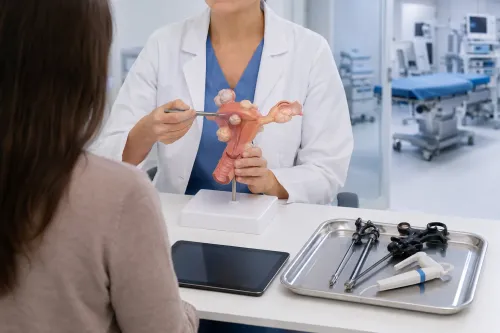
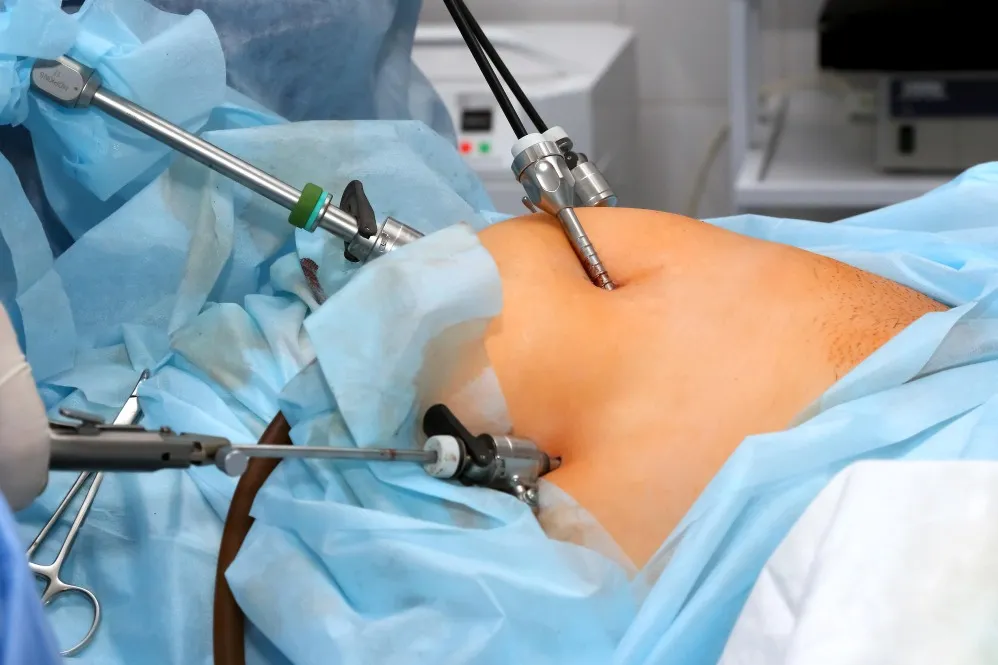
A laparoscopic hysterectomy is a minimally invasive procedure to remove the uterus through small abdominal incisions. Compared to traditional open surgery, it generally offers less pain, a shorter hospital stay, and a faster recovery. Understanding what happens before and after the procedure can help reduce anxiety and prepare you for a smoother healing process.
For women in Pune who require a hysterectomy due to fibroids, adenomyosis, endometriosis, or other gynecological conditions, knowing what to expect can make the experience more comfortable and informed.
When Is a Laparoscopic Hysterectomy Recommended?
A gynecologist may recommend laparoscopic hysterectomy for conditions such as:
- Large or symptomatic uterine fibroids
- Heavy menstrual bleeding that does not improve with treatment
- Adenomyosis
- Severe endometriosis
- Chronic pelvic pain
- Uterine prolapse in selected cases
- Certain precancerous or early cancerous conditions
The suitability of laparoscopic surgery depends on your medical history and the nature of the condition.
How to Prepare Before Surgery
Proper preparation can contribute to a safer procedure and quicker recovery.
Your doctor may advise you to:
- Undergo blood tests and imaging scans
- Share your complete medical history
- Inform your doctor about all medications and supplements
- Stop certain blood-thinning medicines if advised
- Avoid eating or drinking for several hours before surgery
- Arrange for someone to accompany you home after discharge
Following these instructions helps reduce surgical risks.
What Happens During the Procedure?
The surgery is performed under general anesthesia.
During the procedure:
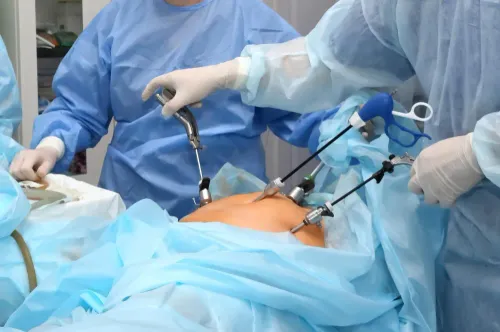
- Small incisions are made in the abdomen.
- A tiny camera called a laparoscope is inserted.
- Specialized surgical instruments are used to remove the uterus.
- The incisions are closed with sutures.
Depending on the medical condition, the cervix, ovaries, or fallopian tubes may also be removed if necessary.
What to Expect After Surgery
Most women recover well after laparoscopic hysterectomy.
Immediately after surgery, you may experience:
- Mild abdominal discomfort
- Shoulder pain caused by the surgical gas used during the procedure
- Light vaginal spotting
- Tiredness for a few days
These symptoms usually improve gradually.
Recovery Tips
Following your doctor's advice can support a smooth recovery.
- Walk short distances every day.
- Stay well hydrated.
- Eat a balanced, fiber-rich diet.
- Avoid lifting heavy objects for several weeks.
- Take medications exactly as prescribed.
- Keep follow-up appointments.
Many women can resume light daily activities within two to four weeks, although complete recovery may take longer.
Warning Signs to Watch For
Contact your gynecologist immediately if you notice:
- Heavy vaginal bleeding
- Fever or chills
- Severe abdominal pain
- Foul-smelling vaginal discharge
- Difficulty passing urine
- Redness or swelling around the incision
Early medical attention can help prevent complications.
Women considering minimally invasive hysterectomy in Pune often consult Dr Kunaal Shinde – Best Gynecologist, who carefully evaluates each patient's condition and recommends the most suitable surgical approach for safe and effective treatment.
How long will I stay in the hospital?
Many women are discharged within one or two days after laparoscopic hysterectomy, depending on their recovery.
Will the surgery leave large scars?
No. Laparoscopic surgery uses small incisions, which usually heal with minimal scarring.
When can I return to work?
This depends on the type of work you do and your recovery. Many women return to desk jobs within two to four weeks after medical clearance.
Is laparoscopic hysterectomy safer than open surgery?
For suitable candidates, laparoscopic hysterectomy offers several advantages, including less pain, reduced blood loss, and faster recovery. However, the most appropriate surgical method depends on the individual's medical condition.
A laparoscopic hysterectomy can provide lasting relief from many gynecological conditions while allowing a quicker recovery than traditional surgery. Understanding the preparation, procedure, and recovery process helps women approach surgery with greater confidence and realistic expectations.
Keywords