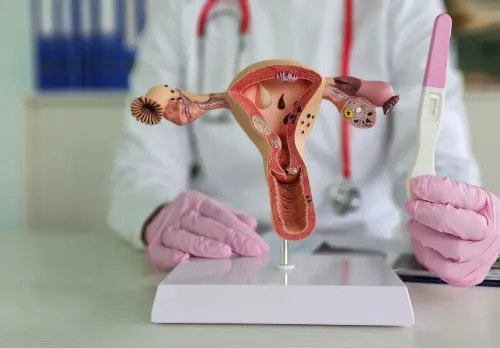
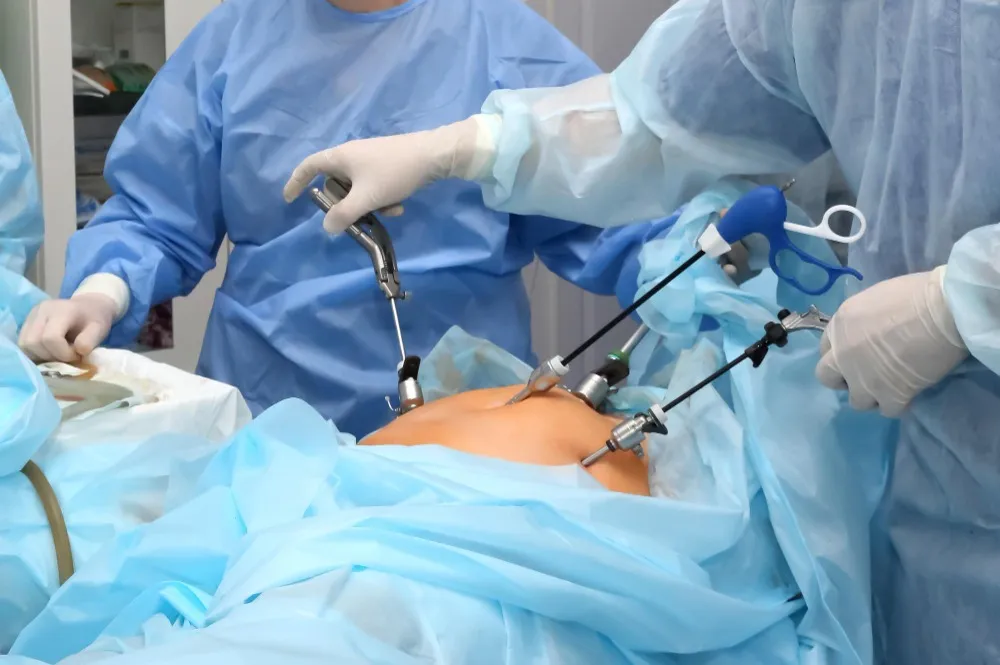
A hysterectomy is an operation to remove the uterus. For some women, it becomes an appropriate treatment after persistent symptoms or particular gynecological conditions have been thoroughly evaluated.
However, choosing a laparoscopic hysterectomy in Pune should involve more than deciding whether smaller incisions sound preferable.
The reason for surgery, alternatives, extent of the operation, ovarian preservation, recovery, and future reproductive implications should all be understood beforehand.
Why Might a Hysterectomy Be Recommended?
A hysterectomy may be considered for selected women with conditions such as symptomatic fibroids, persistent abnormal uterine bleeding, adenomyosis, endometriosis, uterine prolapse, or certain gynecological cancers and precancerous conditions.
The recommendation depends on the diagnosis and individual situation.
For benign conditions, other treatment options may sometimes be available. Whether they are suitable depends on symptom severity, previous treatments, reproductive plans, and underlying pathology.
What Does Laparoscopic Hysterectomy Mean?
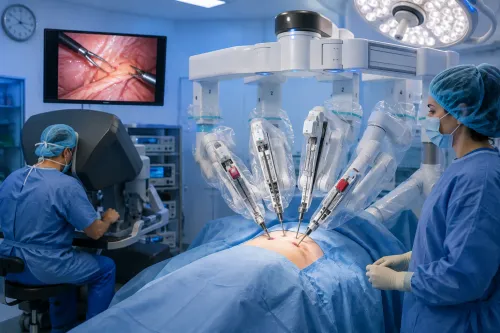
During laparoscopic hysterectomy, the operation is performed through small abdominal incisions using a camera and specialized instruments.
There are different types of hysterectomy, and terminology can be confusing.
Removing the uterus does not automatically mean removing the ovaries.
The cervix, fallopian tubes, and ovaries are separate structures, and decisions about them depend on the indication for surgery, age, risk factors, and clinical findings.
Patients should ask exactly which organs are planned for removal.
Questions Worth Asking Before Surgery
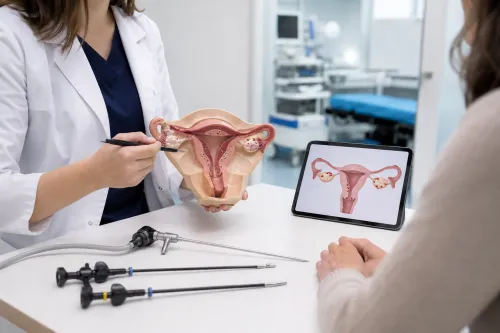
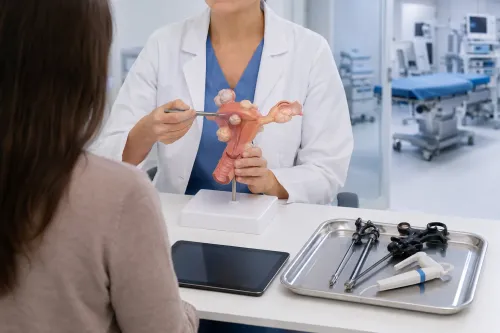
A preoperative consultation is an opportunity to understand the reasoning behind the recommendation.
Useful questions include:
- What diagnosis is causing my symptoms?
- Why is hysterectomy being considered?
- Are uterus-preserving alternatives reasonable for me?
- Will my ovaries be retained?
- Why is a laparoscopic approach suitable?
- Is there a possibility that open surgery may be required?
- How long might recovery take for this specific procedure?
- What restrictions will apply after discharge?
For women who are uncertain about completing their family, reproductive implications require particularly careful discussion because pregnancy is not possible after hysterectomy.
What Are the Potential Advantages of a Laparoscopic Approach?
When appropriate, minimally invasive surgery may offer advantages related to the abdominal incision and postoperative recovery compared with conventional open abdominal surgery.
However, suitability depends on several factors.
Previous surgeries, uterine size, adhesions, disease complexity, associated conditions, and the reason for hysterectomy can influence the operative approach.
A laparoscopic procedure should therefore be selected because it is clinically appropriate, not merely because it is minimally invasive.
What Should Patients Expect Afterward?
Recovery is progressive.
Early movement is commonly encouraged according to the treating team's instructions. Patients may initially experience fatigue and abdominal discomfort and should follow guidance regarding lifting, exercise, driving, wound care, and sexual activity.
The time required to return to normal routines differs between individuals.
Recovery also includes knowing which symptoms require medical attention. Increasing pain, significant bleeding, persistent vomiting, fever, breathing difficulty, or other unexpected symptoms should be communicated to the treating medical team promptly.
Making the Decision in Pune
Women searching for hysterectomy options in Pune, Maharashtra, may encounter laparoscopic, robotic-assisted, vaginal, and open surgical approaches.
Rather than beginning with the question 'Which technique is newest?' it is more useful to ask 'Which technique is appropriate for my diagnosis and anatomy?'
Dr Kunaal Shinde, Best Gynecologist evaluates hysterectomy within the wider context of gynecological health and minimally invasive surgery.
A well-planned hysterectomy begins before the operating room. Understanding why surgery is needed, what exactly will be removed, which alternatives have been considered, and what recovery involves allows a patient to approach the procedure with clearer expectations.
Keywords