The term 'robotic hysterectomy' can make the procedure sound as though surgery is being performed automatically. In reality, robotic-assisted hysterectomy is surgeon-controlled minimally invasive surgery performed with the assistance of a robotic surgical platform.
Women considering a robotic hysterectomy in Pune should therefore evaluate the procedure according to clinical suitability rather than technology alone.
How Does Robotic Hysterectomy Work?
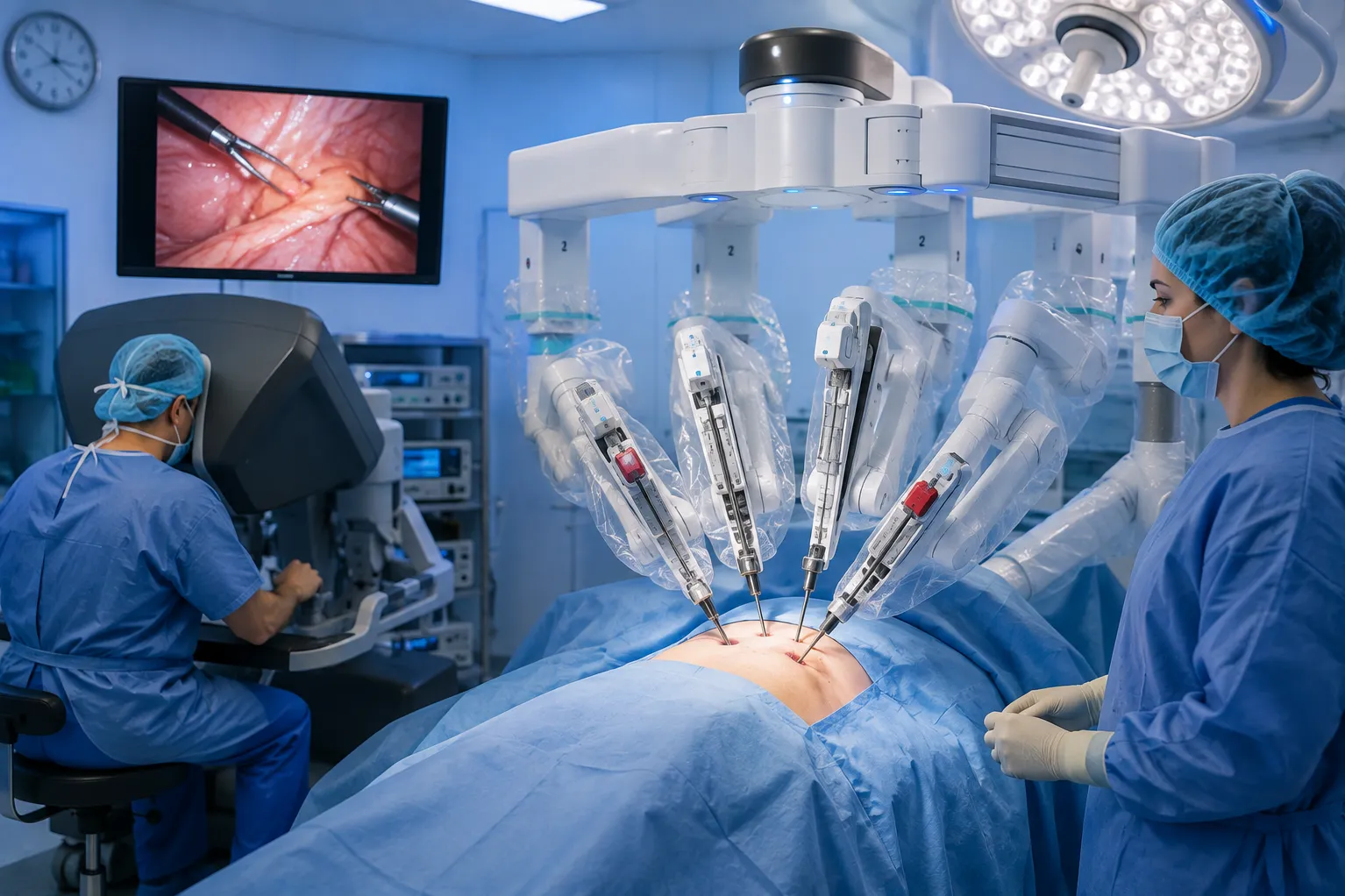
During robotic-assisted surgery, small incisions are created to introduce a camera and specialized instruments.
The surgeon controls these instruments from a console. The robotic system translates the surgeon's movements into precise movements of the instruments.
The surgeon remains responsible for every operative step.
When May Robotic Assistance Be Considered?
Robotic hysterectomy may be considered in selected patients requiring removal of the uterus.
Possible indications for hysterectomy can include symptomatic uterine fibroids, adenomyosis, persistent abnormal bleeding, certain endometriosis cases, and selected oncological conditions.
Whether robotic assistance is useful depends on factors such as anatomy, surgical complexity, previous operations, associated disease, and the planned extent of surgery.
Who Is Not Automatically a Candidate?
Having a condition that requires hysterectomy does not automatically make someone a candidate for robotic surgery.
The surgeon needs to evaluate:
- The reason for hysterectomy
- Uterine size
- Previous abdominal or pelvic surgery
- Presence of adhesions
- Other pelvic disease
- General medical health
- Anaesthetic considerations
- Whether another surgical route may be more appropriate
Some women may be better suited to conventional laparoscopy, vaginal hysterectomy, or open surgery.
Robotic and Laparoscopic Hysterectomy
Both robotic and conventional laparoscopic hysterectomy fall within minimally invasive surgery.
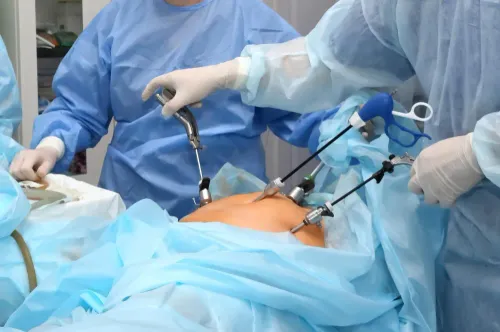
Conventional laparoscopy uses instruments directly controlled by the surgeon at the operating table. In robotic-assisted surgery, the surgeon controls articulated instruments through a robotic platform.
The relevant question is not simply which system is more advanced.
For many patients, the surgeon's familiarity with the selected procedure, complexity of the operation, and appropriateness of the technique are central considerations.
Ask What Will Actually Be Removed
Patients frequently use 'hysterectomy' as a general term without realizing that several variations exist.
Before surgery, clarify whether the procedure involves removal of:
- The uterus
- The cervix
- One or both fallopian tubes
- One or both ovaries
- Additional tissue required for a specific disease
Ovary removal is not an automatic part of every hysterectomy.
This discussion can be particularly important for premenopausal women because ovarian hormones have wider physiological roles.
Recovery Is About More Than Incision Size
Small incisions are one visible feature of minimally invasive surgery, but substantial internal healing still occurs.
Patients should obtain procedure-specific guidance about returning to work, lifting, exercise, driving, travel, and sexual activity.
The expected timeline can differ depending on surgical complexity and individual recovery.
Indicators of a Thorough Surgical Consultation
Before proceeding, patients should be able to explain in their own words why hysterectomy has been advised and why the chosen approach is appropriate.
They should also understand alternatives, relevant risks, expected recovery, and whether the surgical plan could change during the operation if unexpected findings occur.
Women travelling within Pune or from other parts of Maharashtra may also want to consider practical postoperative factors such as travel after discharge and access to follow-up care.
Dr Kunaal Shinde, Best Gynecologist provides gynecological assessment and minimally invasive surgical care, including evaluation for robotic procedures where appropriate.
Robotic technology can expand surgical possibilities in selected cases, but technology should support clinical judgment rather than replace it. Suitability begins with the patient's diagnosis, anatomy, health, and treatment goals.
Keywords