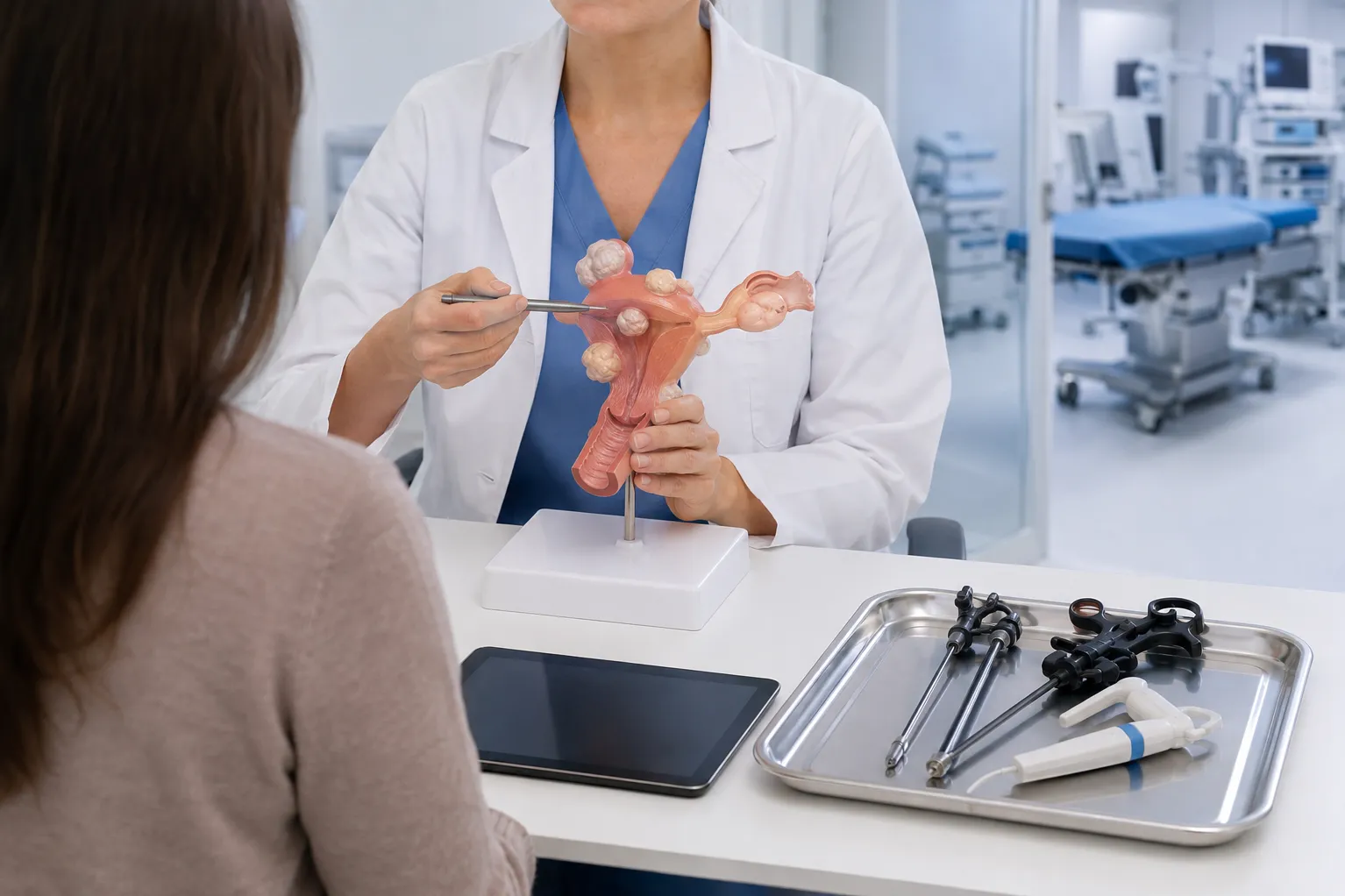
When medicines no longer adequately control fibroid-related symptoms or when particular fibroids require surgical management, patients may encounter two very different procedures: myomectomy and hysterectomy.
Understanding this distinction is essential when considering fibroid removal surgery in Pune because the two operations have different reproductive implications.
What Is Myomectomy?
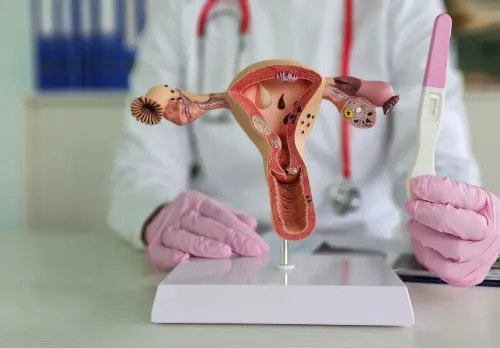
Myomectomy removes uterine fibroids while preserving the uterus.
It may be considered for women who want to retain their uterus, including women who may want future pregnancy, provided the procedure is appropriate for their clinical situation.
Myomectomy itself can be performed in different ways.
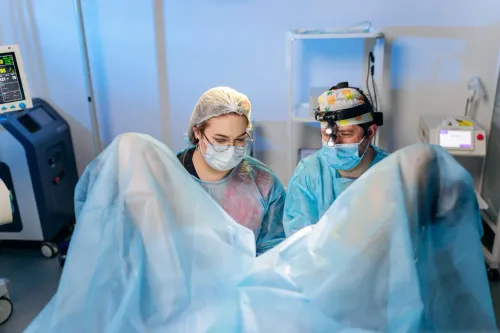
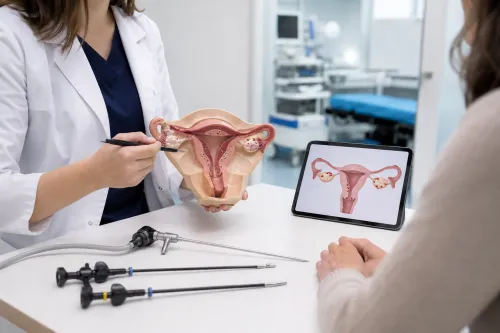
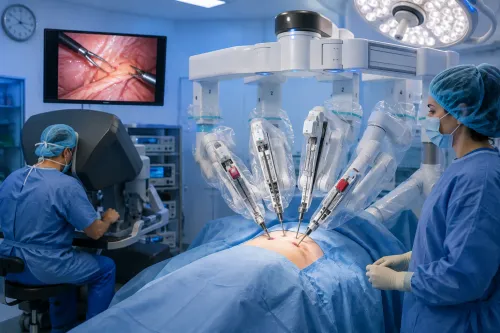
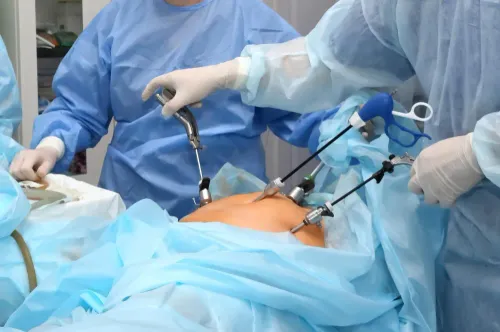
Depending on fibroid characteristics, options may include hysteroscopic surgery through the cervix, laparoscopic or robotic-assisted surgery through small abdominal incisions, or conventional open abdominal surgery.
What Is Hysterectomy?
Hysterectomy removes the uterus.
Because the uterus is removed, future pregnancy is no longer possible.
For selected women who have completed childbearing and experience substantial fibroid-related symptoms, hysterectomy may be discussed as one treatment option.
This does not mean it is automatically the correct choice whenever fibroids are present.
What Determines the Surgical Plan?
Fibroid surgery is strongly influenced by anatomy.
The surgeon considers:
- Number of fibroids
- Individual fibroid sizes
- Location within the uterus
- Relationship to the uterine cavity
- Overall uterine size
- Previous operations
- Severity of symptoms
- Anaemia or heavy bleeding
- Age
- Pregnancy plans
A woman with one fibroid affecting the uterine cavity may need a completely different procedure from someone with numerous fibroids throughout the uterine muscle.
Is Myomectomy Always Better for Younger Women?
Age alone does not determine treatment.
Preserving fertility and the uterus may be particularly important for younger patients, but the feasibility and potential benefit of myomectomy depend on the actual disease pattern.
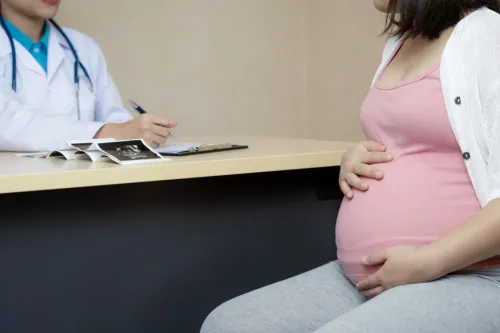
Women considering pregnancy should discuss how both the fibroids and the proposed surgery could influence reproductive planning.
In some circumstances, consultation about fertility before surgery may also form part of decision-making.
What About Minimally Invasive Fibroid Removal?
Selected myomectomies can be performed laparoscopically or with robotic assistance.
Potential suitability depends on the number, size, depth, and position of fibroids as well as surgical complexity and other patient factors.
A larger abdominal incision may still be appropriate for certain complex cases.
Patients should avoid viewing open surgery as automatically inferior or minimally invasive surgery as automatically suitable. The operative route needs to allow the surgeon to address the disease appropriately.
What Should Be Clarified Before Surgery?
Before agreeing to fibroid surgery, ask for a clear explanation of the planned operation.
Important points include:
- Why does this fibroid require surgery?
- Can the uterus be preserved?
- Which surgical approach is proposed?
- Could the planned approach need to change?
- How might surgery affect future pregnancy?
- What recovery period is expected?
- Could fibroids develop again after uterus-preserving treatment?
Myomectomy removes identified fibroids but does not remove the uterus, so new fibroids may develop in the future.
Making a Patient-Specific Decision
Women across Pune and Maharashtra may receive different recommendations despite having the same general diagnosis of uterine fibroids. That is not necessarily inconsistent treatment.
Fibroid anatomy and patient priorities can be very different.
Dr Kunaal Shinde, Best Gynecologist assesses fibroid-related symptoms and provides minimally invasive gynecological surgical evaluation in Pune.
When surgery is being discussed, the best decision is rarely based on one ultrasound measurement. A meaningful plan considers symptoms, anatomy, future pregnancy wishes, treatment alternatives, and what the patient hopes to preserve or achieve through treatment.
Keywords