Endometriosis can often be managed without surgery, which makes one question particularly important for patients with ongoing symptoms: when is a surgical opinion worth considering?
Women researching endometriosis laparoscopic surgery in Pune may already have tried medicines, undergone scans, or lived with recurring pelvic pain for months or years.
A surgical evaluation does not automatically mean an operation will be recommended. Its purpose is to determine whether surgery has a meaningful role in the individual case.
When Symptoms Continue Despite Treatment
Medical and hormonal treatments can be useful in managing endometriosis-associated symptoms.
However, persistent symptoms despite appropriate treatment may lead to reassessment.
Examples include menstrual or pelvic pain that continues to interfere substantially with work, sleep, relationships, or daily activities.
Before recommending surgery, the clinician should reconsider whether endometriosis is the likely cause and whether other conditions could be contributing to the symptoms.
When Imaging Shows Particular Findings
Some forms of endometriosis can produce findings on ultrasound or other imaging.
Ovarian endometriomas are one example.
Imaging may also help identify complex pelvic disease in selected patients, but not every endometriosis lesion is visible on routine scans.
Surgical decisions should therefore combine symptoms, examination, imaging, reproductive goals, and previous treatment history.
When Fertility Is a Concern
Endometriosis and infertility can occur together, but this does not mean every woman trying to conceive should undergo endometriosis surgery.
Age, ovarian reserve, duration of infertility, semen parameters, tubal factors, previous treatment, and disease characteristics may all affect fertility planning.
For women with ovarian endometriomas, decisions can be particularly nuanced because both the condition and ovarian surgery may be relevant to ovarian reserve.
A treatment plan should therefore consider fertility strategy before an operation is scheduled.
What Happens During Laparoscopic Surgery?
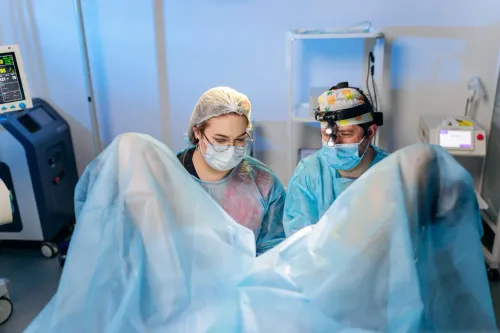
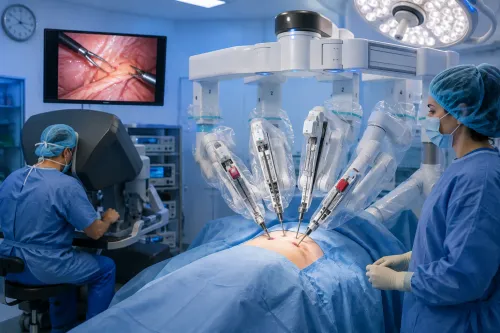
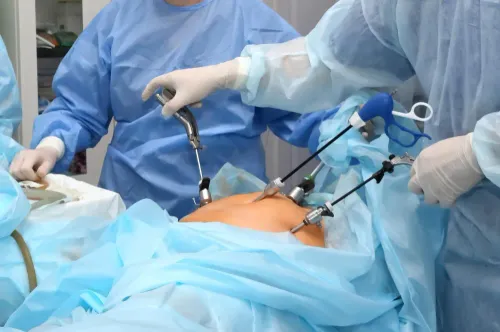
Laparoscopy allows the surgeon to inspect the pelvis through small abdominal incisions using a camera.
Depending on findings and the planned operation, treatment may involve removing or treating endometriotic lesions, addressing adhesions, managing ovarian endometriomas, or restoring anatomy where feasible.
The extent of surgery differs greatly between patients.
Superficial disease and extensive deep endometriosis are not equivalent procedures simply because both are treated laparoscopically.
Questions to Ask the Surgeon
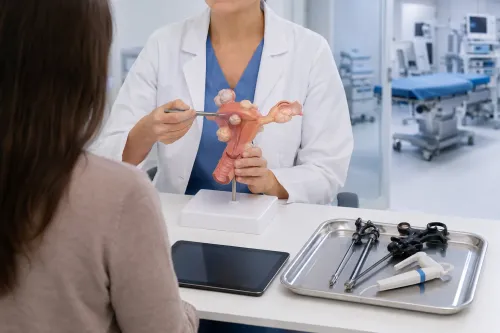
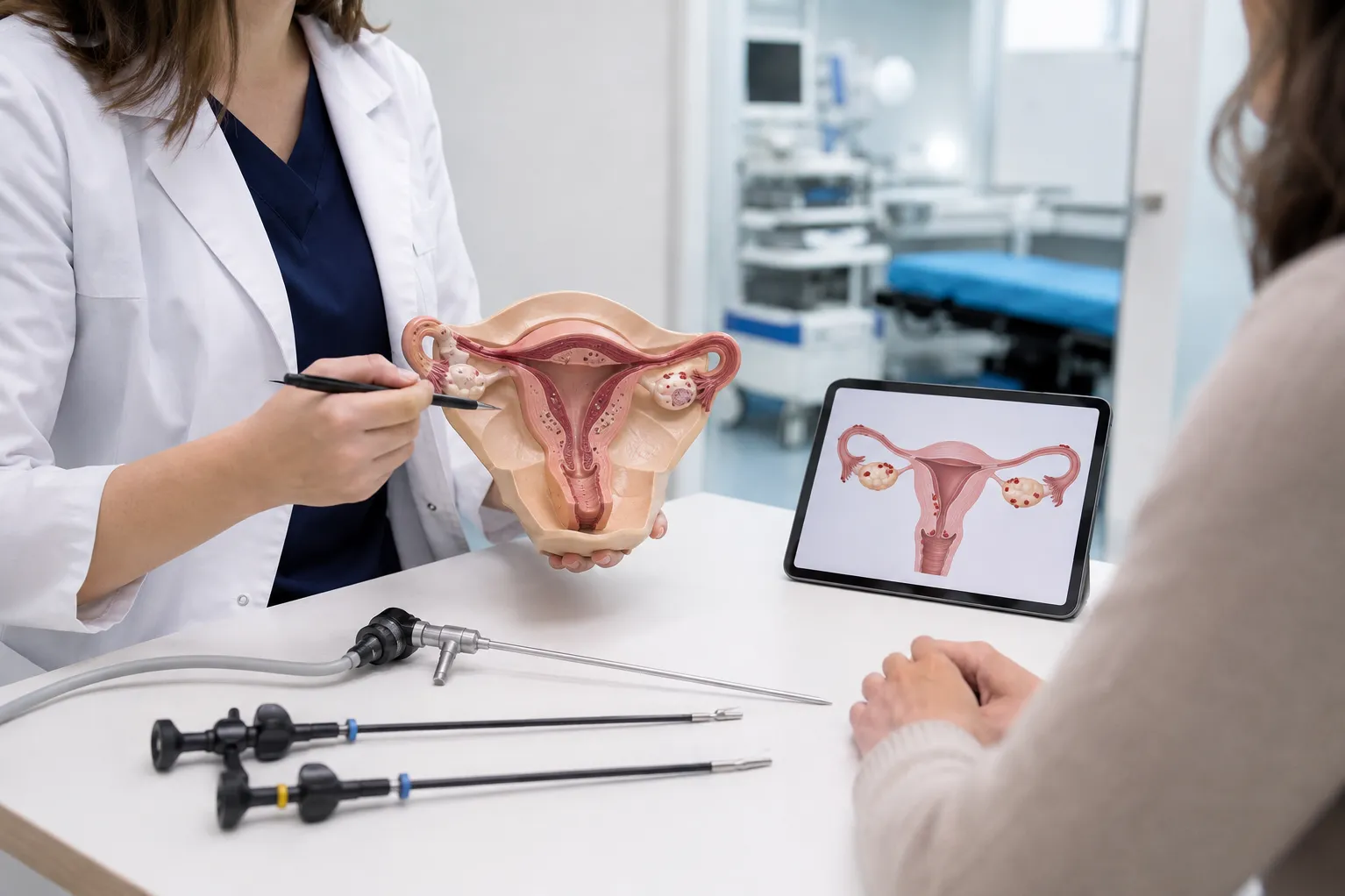
Women considering surgery can use their consultation to establish exactly what is planned.
Ask:
- What findings suggest surgery could help in my case?
- What are the alternatives?
- What structures appear to be involved?
- Could ovarian surgery affect ovarian reserve?
- What is the objective of the procedure?
- How extensive might the operation be?
- What recovery should I expect?
- How does this fit with my pregnancy plans?
These questions help distinguish a general recommendation for 'laparoscopy' from a patient-specific surgical strategy.
Surgery Is Part of a Wider Treatment Plan
Endometriosis is often a long-term condition. Surgery can have an important role in selected patients, but the operation should not be viewed in isolation.
Pain management, menstrual symptom control, fertility planning, follow-up, and management of recurring symptoms may all remain relevant.
For women in Pune, Maharashtra, choosing a surgeon for endometriosis should therefore involve understanding experience with minimally invasive gynecological procedures and the complexity of the suspected disease.
Dr Kunaal Shinde, Best Gynecologist evaluates endometriosis within both gynecological and minimally invasive surgical care.
The readiness indicator for surgery is not simply having painful periods or receiving an endometriosis diagnosis. It is reaching a point where the diagnosis, severity of symptoms, previous treatment, anatomical findings, and personal goals together provide a reason to consider operative treatment.
Keywords