When pregnancy does not happen as expected, it is tempting to search immediately for a treatment. Yet effective fertility care begins with finding out what may be contributing to the difficulty.
Women considering female infertility treatment in Pune should expect an evaluation that looks beyond a single test or ultrasound.
Fertility is influenced by ovulation, age, ovarian reserve, the uterus, fallopian tubes, reproductive history, and male factors. Treatment should be based on what the evaluation actually shows.
When Should Fertility Evaluation Be Considered?
The appropriate timing depends partly on age and medical history.
Evaluation may be considered after a period of regular unprotected intercourse without pregnancy, but earlier assessment can be appropriate when there are known reproductive concerns.
Examples include:
- Very irregular or absent periods
- Known endometriosis
- Previous pelvic infection
- Previous ovarian or pelvic surgery
- Known uterine abnormalities
- Recurrent pregnancy loss
- Concerns about ovarian function
Age is also relevant because fertility potential changes over time.
Start With Menstrual and Medical History
A fertility consultation should include more than the question, 'How long have you been trying?'
Menstrual regularity can provide clues about ovulation. Previous pregnancies, miscarriages, surgeries, infections, medications, and known gynecological conditions are also relevant.
Symptoms such as severe menstrual pain may suggest conditions including endometriosis, while heavy bleeding or pressure symptoms may prompt assessment for uterine fibroids.
Ovulation and Ovarian Assessment
Ovulation is an essential part of natural conception.
Depending on the patient's history, the doctor may evaluate menstrual patterns and use hormonal testing or ultrasound when appropriate.
Ovarian reserve testing can provide information relevant to treatment planning, but no single test can independently predict whether a woman will or will not become pregnant.
Results need interpretation in context.
The Uterus and Fallopian Tubes Matter Too
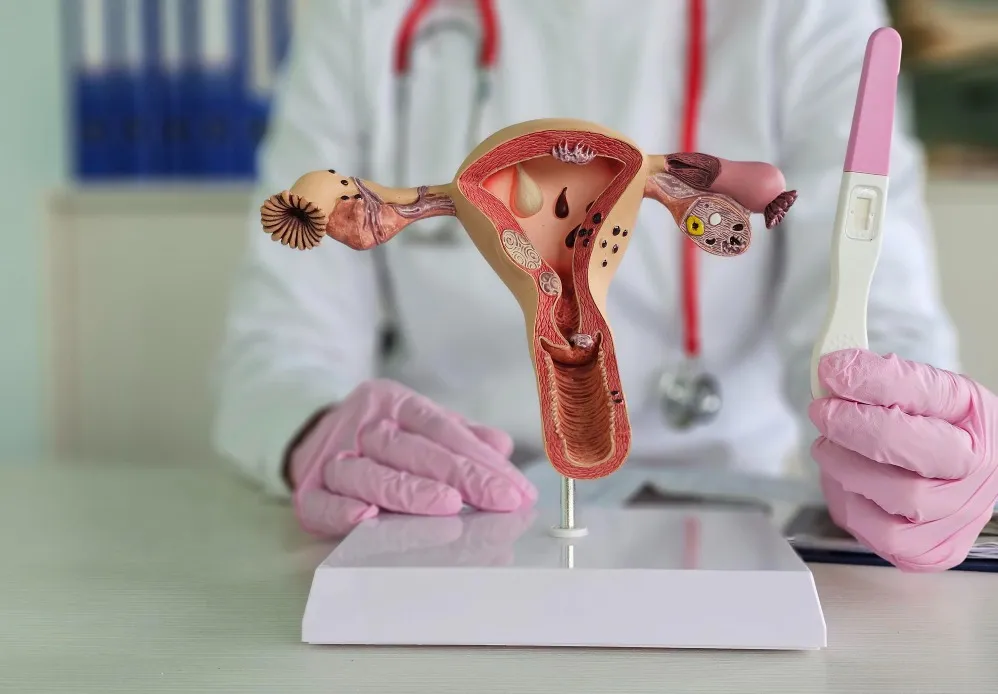
A fertility evaluation may assess the uterus for conditions that can affect the uterine cavity or reproductive function.
Fibroids, polyps, congenital uterine differences, adenomyosis, or other abnormalities may be relevant in selected patients.
Fallopian-tube assessment may also be recommended because blocked or damaged tubes can affect the meeting of egg and sperm.
The specific investigation depends on the clinical situation.
Fertility Is Not Only a Female Issue
One of the most important principles in infertility assessment is that both partners should be considered.
Male-factor fertility issues can contribute to difficulty conceiving, so focusing exclusively on the woman can delay identification of an important part of the problem.
Parallel evaluation can often make the process more efficient.
Does Every Fertility Problem Need IVF?
No.
Treatment depends on the cause, age, duration of infertility, ovarian reserve, tubal status, semen findings, and previous treatment.
Some patients may need treatment for ovulation problems. Others may require management of a gynecological condition. Assisted reproductive techniques may be appropriate for particular couples, but they are not the starting point for everyone.
Where Does Gynecological Surgery Fit?
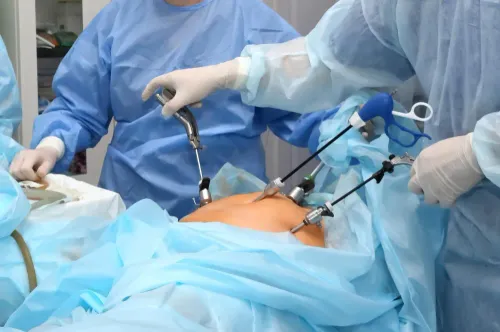
Surgery may have a role when structural conditions such as selected fibroids, ovarian cysts, endometriosis, adhesions, or uterine cavity abnormalities are contributing to the clinical picture.
However, surgery should have a defined objective.
A procedure should not be performed simply because an abnormality appears on imaging without considering whether treating it is likely to support the overall reproductive plan.
Women seeking fertility-related gynecological evaluation in Pune, Maharashtra, benefit from an approach that connects reproductive goals with underlying gynecological health.
Dr Kunaal Shinde, Best Gynecologist evaluates conditions that may affect fertility, including fibroids, endometriosis, ovarian problems, and other reproductive health concerns.
A useful fertility plan begins by replacing guesswork with a structured evaluation. Once the likely contributing factors are identified, treatment can be selected according to the couple's actual needs rather than moving automatically toward the most intensive option.
Keywords