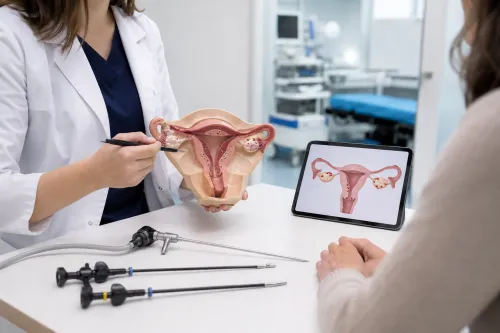

Choosing the right gynecologic surgeon is one of the most important decisions a woman can make when surgery is recommended. Whether you need treatment for fibroids, endometriosis, ovarian cysts, or a hysterectomy, selecting an experienced surgeon can influence the success of the procedure, recovery time, and overall treatment experience.
Women in Pune have access to advanced minimally invasive gynecological care, but understanding what to look for in a surgeon helps ensure you receive treatment that is safe, appropriate, and tailored to your needs.
Why Experience Matters
Minimally invasive gynecologic procedures require specialized training and technical expertise. An experienced surgeon is better equipped to manage complex cases while preserving healthy tissues whenever possible.
Experience becomes particularly important for conditions such as:
- Endometriosis
- Large uterine fibroids
- Ovarian cysts
- Pelvic adhesions
- Laparoscopic hysterectomy
- Robotic-assisted gynecologic surgery
Factors to Consider Before Choosing a Surgeon
Look for Specialized Training
Choose a gynecologist with experience in laparoscopic and minimally invasive gynecologic surgery. Specialized training often contributes to better surgical precision and patient outcomes.
Ask About Surgical Experience
You can ask questions such as:
- How often do you perform this procedure?
- Is minimally invasive surgery suitable for my condition?
- What are the expected benefits and risks?
- What recovery time should I expect?
Clear communication helps you make an informed decision.
Check Available Treatment Options
A good gynecologic surgeon should discuss all appropriate treatment options rather than recommending surgery as the first solution in every case.
Depending on your condition, treatment may include:
- Observation
- Medication
- Hormonal therapy
- Laparoscopic surgery
- Robotic-assisted surgery
- Conventional surgery when necessary
Evaluate the Hospital and Surgical Facilities
Modern hospitals equipped with advanced laparoscopic technology often provide:
- Better imaging systems
- Improved surgical precision
- Enhanced patient safety
- Comprehensive postoperative care
Hospital infrastructure is an important part of the overall treatment experience.
Understand the Recovery Process
Before surgery, discuss:
- Hospital stay
- Pain management
- Recovery timeline
- Activity restrictions
- Follow-up visits
- Possible complications
Knowing what to expect helps reduce anxiety and supports smoother recovery.
Importance of Personalized Care
Every woman's health needs are different. Factors such as age, fertility goals, medical history, and overall health should be considered before recommending surgery.
Women seeking minimally invasive gynecological treatment in Pune often consult Dr Kunaal Shinde – Best Gynecologist, who carefully evaluates each patient and recommends individualized treatment plans based on their condition rather than following a standard approach.
Questions You Should Ask During Your Consultation
Before deciding on surgery, consider asking:
- Why is surgery recommended?
- Are there non-surgical alternatives?
- What type of minimally invasive procedure is suitable?
- What are the possible risks?
- How long will recovery take?
- When can I return to work and normal activities?
These questions help you better understand your treatment plan and participate in shared decision-making.
Is minimally invasive surgery suitable for every woman?
No. The best surgical approach depends on the medical condition, previous surgeries, and overall health.
Does an experienced surgeon reduce complications?
While no surgery is completely risk-free, experienced surgeons are generally better prepared to handle complex procedures and unexpected situations.
How long does recovery usually take?
Recovery varies depending on the procedure, but many women recover faster after laparoscopic or robotic surgery than after open surgery.
Should I seek a second opinion?
If you are unsure about a recommended procedure or wish to explore all available options, obtaining another professional opinion can help you make a confident decision.
Choosing the right gynecologic surgeon involves more than comparing qualifications. Experience, communication, personalized treatment planning, and access to advanced minimally invasive techniques all play a vital role in achieving the best possible outcome. Taking time to ask questions and understand your options can help you move forward with confidence and peace of mind.
Keywords