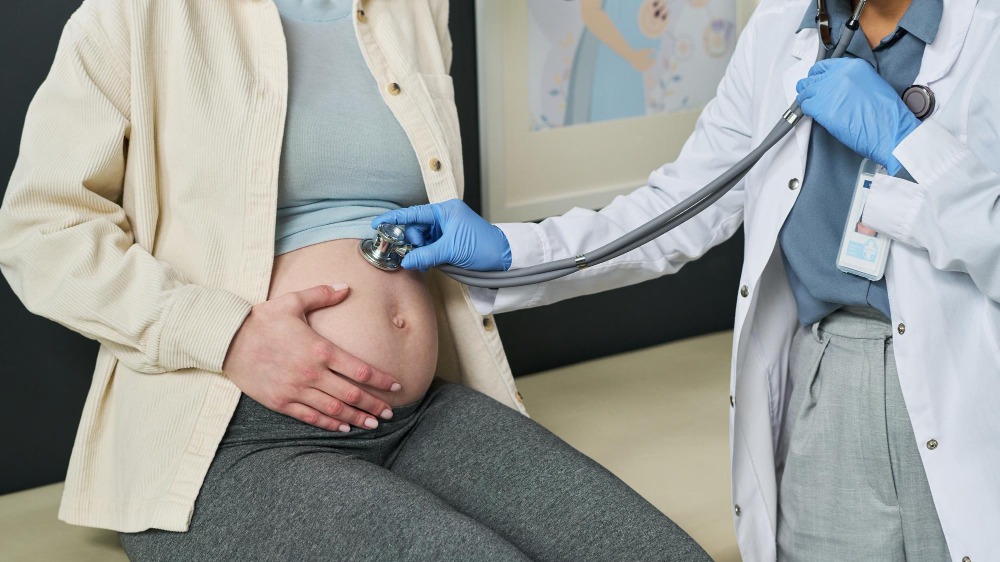
The term 'high-risk pregnancy' can sound alarming, but it does not mean that complications will definitely occur. It means that the mother, baby, or both may require closer observation because particular factors increase the need for medical monitoring or specialized planning.
Women looking for high risk pregnancy care in Pune should understand which situations may require additional attention and what coordinated care involves.
What Can Make a Pregnancy High Risk?
Some risk factors are known before conception. Others develop during pregnancy.
Examples can include:
- Pre-existing diabetes
- High blood pressure
- Certain heart, kidney, thyroid, or other medical conditions
- Multiple pregnancy
- Previous significant pregnancy complications
- Certain fetal concerns
- Placental problems
- Pregnancy-related hypertension
- Gestational diabetes
- Significant maternal age-related considerations
- Previous major uterine surgery
- Other complications identified during antenatal care
Having one risk factor does not determine the outcome. It changes how pregnancy may need to be monitored.
What Does Closer Monitoring Involve?
There is no universal high-risk pregnancy schedule.
Monitoring is tailored to the specific concern and may include additional clinical appointments, blood-pressure checks, laboratory investigations, ultrasound examinations, fetal-growth assessment, or other tests.
The aim is to identify relevant changes early enough to guide appropriate management.
Preconception Planning Can Be Valuable
Women who already know they have a medical or gynecological condition can benefit from discussing pregnancy plans before conception.
This is particularly useful when medications may need review, a chronic condition requires better control, or previous surgery could influence pregnancy management.
Preconception consultation also provides an opportunity to review previous pregnancy records.
For someone with a complicated obstetric history, those records can provide important information for planning future care.
Know the Warning Symptoms
Pregnant women should be given clear guidance about symptoms that require prompt assessment.
Depending on the stage of pregnancy and individual circumstances, concerning symptoms can include significant bleeding, severe abdominal pain, severe headache with visual changes, sudden swelling associated with other symptoms, fluid leakage, breathing difficulty, seizures, or changes in fetal movement later in pregnancy.
Patients should follow the specific advice provided by their maternity team rather than waiting for the next routine appointment when significant symptoms develop.
Choosing Care for a Higher-Risk Pregnancy
Provider selection is particularly important when pregnancy requires more than routine antenatal visits.
Patients may want to consider:
- Experience managing the relevant pregnancy complication
- Access to appropriate hospital facilities
- Availability of emergency obstetric care
- Coordination with physicians or other specialists when needed
- Neonatal support appropriate to the anticipated risk
- Clear communication about monitoring and delivery planning
Not every high-risk pregnancy requires every specialist, but the care system should be capable of responding to the patient's specific needs.
Delivery Planning Should Be Individualized
Being classified as high risk does not automatically mean a caesarean delivery will be required.
The mode and timing of delivery depend on the maternal condition, fetal health, pregnancy progression, obstetric history, and other findings.
Planning may also change as pregnancy progresses.
Women travelling across Pune or from surrounding areas of Maharashtra for antenatal care should discuss practical considerations such as distance from the planned hospital, particularly later in pregnancy or when closer monitoring is required.
Dr Kunaal Shinde, Best Gynecologist provides gynecological and pregnancy-related care in Pune, with assessment based on the woman's medical, reproductive, and obstetric history.
The value of high-risk pregnancy care lies in appropriate surveillance and preparation. Knowing the specific reason a pregnancy needs closer observation helps women and families understand the monitoring plan without treating the term 'high risk' as a prediction of what will happen.
Keywords