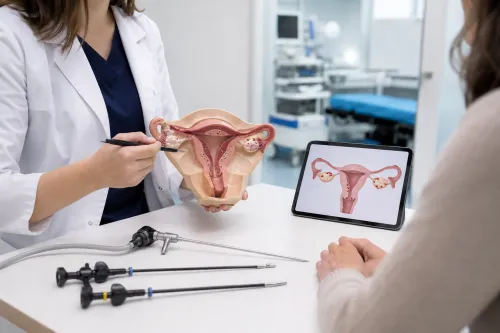

Cervical cancer is one of the most preventable types of cancer when detected in its early stages. Regular screening, timely diagnosis, and appropriate treatment have significantly improved outcomes for women worldwide. Despite this, many women delay routine gynecological check-ups because early cervical cancer often develops without noticeable symptoms.
For women in Pune, understanding the importance of cervical cancer screening can help detect abnormal changes before they become cancerous, improving the chances of successful treatment.
What Is Cervical Cancer?
Cervical cancer develops in the cells of the cervix, which is the lower part of the uterus connecting to the vagina. Most cases are associated with persistent infection by certain types of the Human Papillomavirus (HPV).
The disease usually progresses slowly, allowing abnormal cervical cells to be identified and treated before cancer develops.
Early Symptoms of Cervical Cancer
In its initial stages, cervical cancer may not cause any symptoms. As the disease progresses, women may experience:
- Abnormal vaginal bleeding
- Bleeding after sexual intercourse
- Bleeding between menstrual periods
- Bleeding after menopause
- Persistent watery or foul-smelling vaginal discharge
- Pelvic pain
- Pain during intercourse
These symptoms can also occur in other gynecological conditions, making proper evaluation essential.
Who Is at Higher Risk?
Several factors can increase the risk of cervical cancer, including:
- Persistent HPV infection
- Smoking
- Weakened immune system
- Early onset of sexual activity
- Multiple sexual partners
- Lack of regular cervical screening
Having one or more risk factors does not mean a woman will develop cervical cancer, but it highlights the importance of preventive care.
Importance of Early Detection
Early diagnosis offers several advantages:
- Better treatment outcomes
- Less extensive treatment
- Higher survival rates
- Improved quality of life
- Reduced risk of disease progression
Routine screening can detect abnormal cervical cells before they become cancerous.
How Is Cervical Cancer Detected?
A gynecologist may recommend one or more of the following tests:
- Pap smear
- HPV test
- Colposcopy
- Cervical biopsy if abnormalities are detected
Women should follow their doctor's recommendations regarding the frequency of screening based on their age and medical history.
Treatment Options
Treatment depends on the stage of the disease, overall health, and future fertility plans.
Common treatment options include:
Early-Stage Procedures
Precancerous changes can often be treated with minor procedures that remove abnormal cervical tissue while preserving fertility.
Surgery
Surgery may involve removal of the affected tissue, cervix, or uterus depending on the stage of cancer.
Radiation Therapy
Radiation therapy is commonly used either alone or in combination with other treatments.
Chemotherapy
Chemotherapy may be recommended for advanced stages or alongside radiation therapy in selected cases.
Women requiring evaluation for abnormal cervical screening results in Pune often consult Dr Kunaal Shinde – Best Gynecologist, who provides comprehensive assessment and guides patients toward appropriate investigations and treatment based on individual clinical findings.
Can Cervical Cancer Be Prevented?
Although not every case can be prevented, the risk can be significantly reduced by:
- Receiving the HPV vaccine
- Undergoing regular Pap smear screening
- Practicing safe sexual health
- Avoiding tobacco use
- Attending routine gynecological check-ups
Prevention and early detection remain the most effective ways to reduce the burden of cervical cancer.
At what age should cervical cancer screening begin?
Your gynecologist will recommend screening based on your age, health history, and current medical guidelines.
Is cervical cancer always caused by HPV?
Most cases are linked to persistent HPV infection, but not every HPV infection leads to cervical cancer.
Can cervical cancer be cured?
When detected early, cervical cancer is highly treatable, and many women recover successfully with appropriate care.
Are Pap smears painful?
Most women experience only mild discomfort during the test, which is quick and usually completed within a few minutes.
Regular cervical cancer screening is one of the most effective ways to protect long-term women's health. Detecting abnormal changes early allows timely treatment, reduces complications, and significantly improves outcomes. Routine gynecological care should remain an important part of every woman's preventive healthcare plan.
Keywords