
Heavy menstrual bleeding is more than just an inconvenient period. If you regularly soak through sanitary pads or tampons, pass large blood clots, or have periods lasting longer than seven days, it may indicate an underlying gynecological condition. Ignoring these symptoms can affect your daily routine, lead to anemia, and reduce your overall quality of life.
For women in Pune, early consultation with a gynecologist can help identify the cause of heavy menstrual bleeding and ensure appropriate treatment before complications develop.
What Is Considered Heavy Menstrual Bleeding?
Heavy menstrual bleeding, also known as menorrhagia, occurs when menstrual flow is excessive or lasts longer than normal. Common signs include:
- Bleeding for more than seven days
- Needing to change sanitary protection every one to two hours
- Passing large blood clots
- Waking up at night to change pads
- Feeling tired, weak, or dizzy during periods
These symptoms should not be considered a normal part of menstruation.
Common Causes of Heavy Menstrual Bleeding
Uterine Fibroids
Fibroids are non-cancerous growths in the uterus that commonly cause prolonged and heavy menstrual bleeding, pelvic pressure, and discomfort.
Adenomyosis
This condition occurs when the uterine lining grows into the muscular wall of the uterus, resulting in painful and heavy periods.
Endometriosis
Although primarily known for causing pelvic pain, endometriosis can also contribute to heavy menstrual bleeding in some women.
Hormonal Imbalance
An imbalance between estrogen and progesterone can lead to excessive thickening of the uterine lining, causing heavier bleeding.
Uterine Polyps
Small growths inside the uterus may cause irregular bleeding, spotting, or unusually heavy menstrual periods.
Bleeding Disorders and Other Medical Conditions
Certain blood clotting disorders, thyroid problems, and some medications may also contribute to excessive menstrual bleeding.
How Is the Cause Diagnosed?
Your gynecologist will review your symptoms, menstrual history, and overall health. Investigations may include:
- Pelvic examination
- Ultrasound scan
- Blood tests to check for anemia or hormonal imbalance
- Pap smear when indicated
- Hysteroscopy or biopsy in selected cases
Accurate diagnosis is the first step toward effective treatment.
Treatment Options
Treatment depends on the underlying cause, age, symptom severity, and future pregnancy plans.
Medication
Doctors may prescribe medications to reduce bleeding, relieve pain, or regulate hormone levels.
Hormonal Therapy
Hormonal treatments can help control excessive menstrual bleeding and improve cycle regularity for many women.
Minimally Invasive Procedures
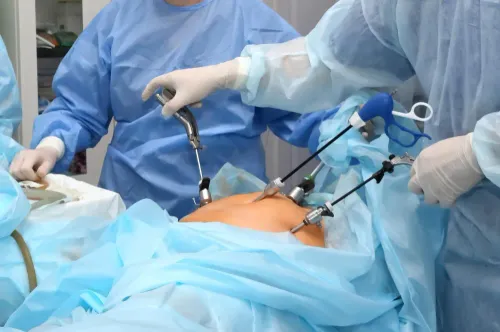
For conditions such as fibroids, polyps, or endometriosis, laparoscopic or hysteroscopic procedures may be recommended to remove the underlying cause while preserving the uterus whenever possible.
Hysterectomy
In women with severe symptoms who have completed their family and have not benefited from other treatments, hysterectomy may be considered as a permanent solution.
Women requiring advanced evaluation for abnormal menstrual bleeding in Pune often consult Dr Kunaal Shinde – Best Gynecologist, who recommends individualized treatment based on the underlying condition and the patient's reproductive goals.
Can Heavy Menstrual Bleeding Be Prevented?
Not all causes can be prevented, but regular gynecological check-ups help detect problems early. Seeking medical attention when menstrual patterns change can reduce the risk of complications such as severe anemia or progressive gynecological disease.
Maintaining a healthy lifestyle and following treatment recommendations can also support better menstrual health.
When should I worry about heavy periods?
If bleeding lasts more than seven days, causes severe fatigue, or interferes with daily activities, you should seek medical evaluation.
Can heavy menstrual bleeding cause anemia?
Yes. Excessive blood loss over several cycles can reduce iron levels and lead to anemia.
Is surgery always necessary?
No. Many women respond well to medication or minimally invasive treatments. Surgery is recommended only when other options are unsuitable or ineffective.
Can fibroids cause heavy periods?
Yes. Uterine fibroids are one of the most common causes of heavy menstrual bleeding, especially in women of reproductive age.
Heavy menstrual bleeding should never be ignored or accepted as normal. Identifying the underlying cause and receiving timely treatment can relieve symptoms, improve overall health, and help women return to their daily activities with greater comfort and confidence.
Keywords