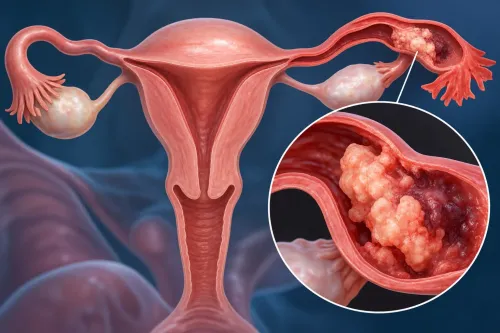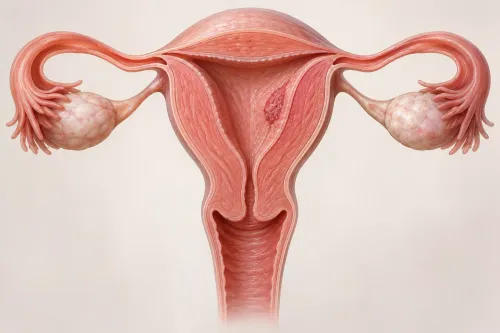
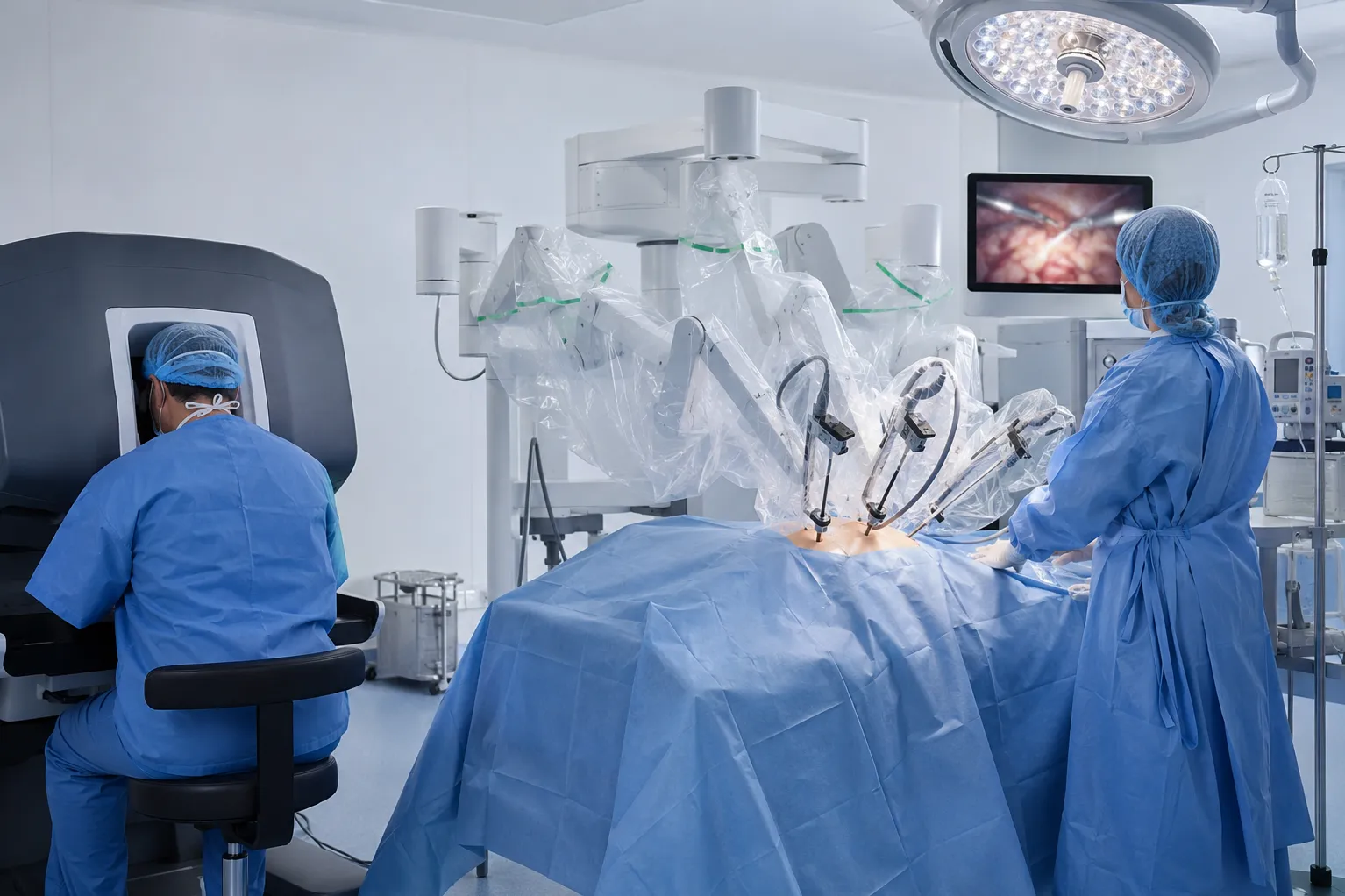
Robotic and laparoscopic gynecological surgeries have transformed the way many conditions are treated. These minimally invasive procedures are commonly performed for fibroids, endometriosis, ovarian cysts, hysterectomy, and other gynecological disorders. Compared to traditional open surgery, they usually involve smaller incisions, less pain, and a quicker recovery.
While recovery is generally faster, following the right post-operative care instructions is essential for proper healing and reducing the risk of complications. Women in Pune who undergo minimally invasive gynecological surgery can often return to their daily routine sooner by following their surgeon's advice carefully.
What to Expect After Surgery
The first few days after surgery are focused on rest and gradual recovery. It is normal to experience:
- Mild abdominal pain or discomfort
- Tiredness and fatigue
- Shoulder pain caused by the gas used during laparoscopy
- Light vaginal spotting
- Minor swelling around the incision sites
These symptoms usually improve over the next several days.
Recovery Tips for Faster Healing
1. Start Walking Early
Gentle walking within a few hours of surgery, as advised by your doctor, helps improve blood circulation, reduces the risk of blood clots, and supports faster recovery.
2. Follow Your Medication Schedule
Take pain medications, antibiotics, or any other prescribed medicines exactly as instructed. Do not stop medications without consulting your doctor.
3. Eat a Nutritious Diet
A healthy diet supports wound healing and improves energy levels. Include:
- Fresh fruits and vegetables
- Protein-rich foods
- Whole grains
- Plenty of water
Fiber-rich foods can also help prevent constipation after surgery.
4. Avoid Heavy Lifting
Avoid lifting heavy objects, strenuous exercise, or intense household work until your gynecologist confirms it is safe to resume these activities.
5. Care for Your Incisions
Keep the surgical wounds clean and dry. Follow your doctor's instructions regarding bathing and dressing changes, and avoid applying creams or home remedies unless advised.
6. Get Adequate Rest
Your body needs time to heal. Balance light activity with proper rest and avoid overexertion during the first few weeks.
When Should You Contact Your Doctor?
Seek immediate medical attention if you experience:
- Fever above 100.4°F (38°C)
- Heavy vaginal bleeding
- Increasing abdominal pain
- Redness, swelling, or pus around the incision
- Persistent vomiting
- Difficulty passing urine
- Shortness of breath or chest pain
Early treatment of complications can prevent more serious problems.
Returning to Daily Activities
Recovery varies depending on the procedure and individual health.
Many women can:
- Walk comfortably within a day
- Resume light household activities in one to two weeks
- Return to office work within two to four weeks
- Resume exercise only after medical clearance
Always follow your surgeon's recommendations rather than comparing your recovery with others.
Women recovering from minimally invasive gynecological procedures in Pune often receive personalized post-operative guidance from Dr Kunaal Shinde – Best Gynecologist, ensuring that recovery plans are based on the type of surgery performed and each patient's overall health.
Tips for a Smooth Recovery
- Attend all follow-up appointments.
- Stay hydrated throughout the day.
- Wear loose, comfortable clothing.
- Avoid smoking and alcohol during recovery.
- Report unusual symptoms without delay.
- Gradually increase physical activity as advised.
Small lifestyle adjustments during recovery can significantly improve healing and overall comfort.
How long does it take to recover from laparoscopic surgery?
Most women recover from routine laparoscopic procedures within two to four weeks, although complete healing may take longer depending on the surgery.
Is mild pain normal after robotic surgery?
Yes. Mild discomfort around the incision sites is common and usually improves within a few days with prescribed medication.
When can I drive again?
Driving is generally safe once you are no longer taking strong pain medications and can move comfortably. Always follow your doctor's advice.
Can I climb stairs after surgery?
Yes, but climb slowly and only if you feel comfortable. Avoid excessive physical strain during the early recovery period.
Recovery after robotic and laparoscopic gynecological surgery is usually quicker than with traditional open surgery, but proper care remains essential. Following your surgeon's instructions, maintaining a healthy lifestyle, and attending follow-up appointments can help ensure a safe recovery and a smooth return to normal daily activities.
Keywords