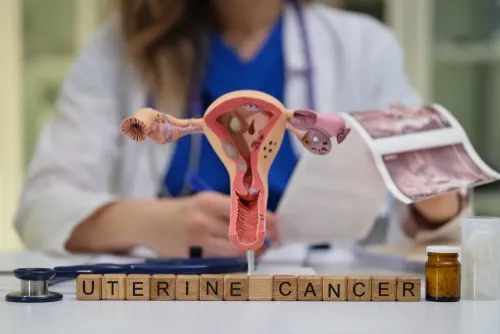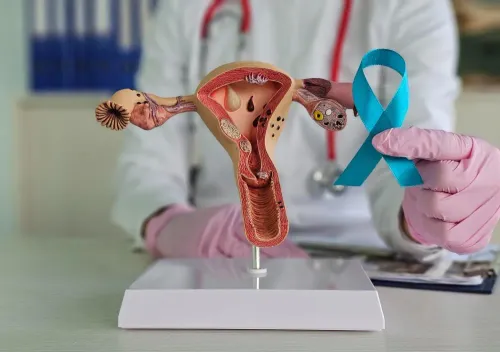
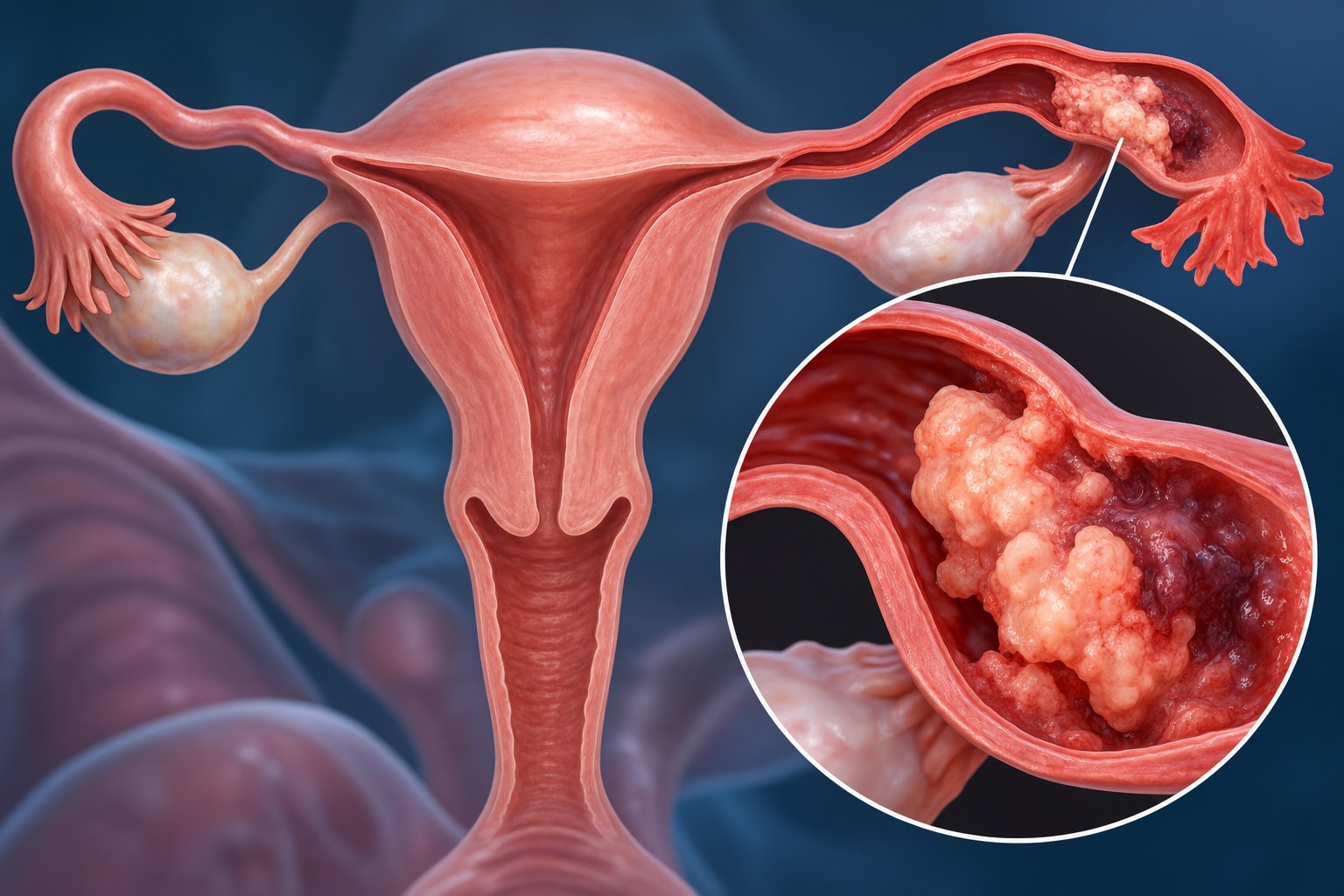
A suspected fallopian-tube cancer diagnosis raises two immediate questions: what the disease actually is and how doctors decide between further testing, chemotherapy, and surgery. By preparing the right records and asking focused questions about pathology, stage, surgical goals, genetics, and recovery, you can use the first specialist visit to make a treatment plan rather than simply schedule an operation.
Key takeaways
- Record symptoms, bleeding patterns, pain, family history, and previous test results.
- Bring imaging discs, pathology reports, medicine lists, and a written question list.
- Ask how diagnosis, biopsy findings, spread, and cancer stage will be confirmed.
- Discuss fertility, recovery time, chemotherapy, surgery, and minimally invasive options before choosing treatment.
What fallopian-tube cancer is and which symptoms need assessment
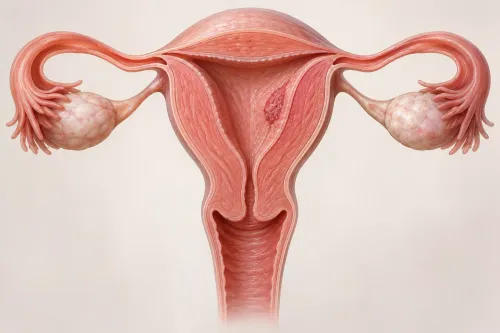
Fallopian-tube carcinoma begins in one or both tubes, but high-grade serous cancer can involve the fimbrial end, ovary, and peritoneal lining together. What to know before seeing a fallopian cancer specialist in Pune starts with recognising symptoms that persist, recur, or worsen.
| Primary site | What it means | How doctors establish it |
|---|---|---|
| Fallopian tube | Cancer starts in the tube | Imaging, operative findings, and tissue examination, including careful review of the fimbrial end |
| Ovary | Ovarian cancer extends into the tube | Pathology identifies the most likely origin and pattern of spread |
| Primary peritoneum | Cancer begins in the abdominal lining, without a clear tubal or ovarian origin | Tissue findings and operative distribution support the classification |
Ask whether the diagnosis is primary fallopian-tube cancer, ovarian cancer extending into the tube, or primary peritoneal cancer. Report these symptoms for specialist assessment:
- Abnormal vaginal bleeding or watery or blood-stained discharge
- Persistent pelvic or abdominal pain
- Increasing bloating or a pelvic mass
- Unexplained fatigue or unintentional weight loss
These symptoms do not prove cancer, but they need assessment. Seek urgent care instead of waiting for a routine appointment for heavy bleeding, severe or rapidly worsening pain or distension, persistent vomiting, inability to pass urine or stool, fever, fainting, or breathlessness.
What to bring and what tests may come next
Bring the complete pathology report, glass slides, and a paraffin tissue block if available. A gynecologic pathologist may review the sample and examine the fimbrial end using the SEE-FIM protocol, because small tubal lesions can be missed after surgery.
- Carry biopsy or operative notes, discharge summaries, ultrasound, contrast CT, or MRI reports, plus the original image discs or digital files.
- Bring CA-125 and other blood-test results, records from previous abdominal or pelvic operations, and any family cancer history.
- Write down every medicine, anticoagulant, supplement, allergy, previous chemotherapy or radiotherapy, heart or lung condition, diabetes diagnosis, smoking history, and baseline bowel and urinary function.
Expect a pelvic examination, transvaginal ultrasound, blood tests, and tissue diagnosis when tissue can be obtained safely. Ask whether contrast CT of the chest, abdomen, and pelvis is needed for staging and surgical planning. MRI or another scan may clarify an equivocal finding or a particular symptom.
Imaging can show a mass or likely spread, but it does not replace pathology. CA-125 can help track treatment response; benign conditions can raise it, while some cancers produce little elevation. A CA-125 result alone cannot confirm or exclude fallopian-tube cancer.
Allow enough time for a fallopian tube cancer consultation Baner to review records, anaesthetic fitness, and treatment sequencing rather than only setting a surgery date.
Which diagnosis and staging questions to ask
The key question is not only “Is this cancer?” but “Where did it start, and how far has it spread?” Ask for the written pathology and imaging conclusions, the evidence supporting the FIGO stage, and every finding that remains uncertain. Staging guides the purpose and sequence of treatment; imaging alone may not answer each question.
- What exact cancer type and histologic subtype is present, and what is its grade?
- Is the primary site the fallopian tube, ovary, or peritoneum? Has a gynecologic pathologist reviewed the tissue, including the fimbrial end using SEE-FIM when appropriate?
- What is the FIGO stage, and which findings establish it?
- Are lymph nodes involved? Is disease present on the omentum, peritoneal surfaces, diaphragm, bowel, bladder, liver surface, or distant organs?
- If imaging cannot settle the stage, do you recommend formal surgical staging?
- For suspected advanced epithelial disease, will a multidisciplinary team review the case, including gynecologic oncology, medical oncology, radiology, pathology, genetics, anaesthesia, and relevant surgical specialists?
- Should I receive germline genetic counselling and testing for inherited BRCA1, BRCA2, and other cancer-predisposition variants, even without a strong family history?
| Question | What it establishes | Main limitation |
|---|---|---|
| Pathology | Type, subtype, grade, and possible origin | Origin can remain difficult after surgery |
| Imaging | Distribution of suspected disease | Cannot replace tissue diagnosis |
| Surgical staging | Direct assessment and tissue sampling | Requires an operation |
Also ask about tumour testing for somatic or homologous-recombination alterations, which can affect maintenance-treatment options. A fallopian tube cancer doctor aundh appointment should leave you with these answers in writing, not only a proposed surgery date.
How doctors compare surgery, chemotherapy, and minimally invasive options
Treatment choice compares medical fitness, disease distribution, resectability, and the likelihood of complete or near-complete cytoreduction—not simply whether surgery can be done through small incisions.
| Option | What it means | When it applies |
|---|---|---|
| Primary cytoreductive surgery | Remove visible disease, followed by platinum-based chemotherapy | When you are fit and complete or near-complete removal appears achievable safely |
| Chemotherapy first | Give platinum-based chemotherapy before interval cytoreductive surgery | When disease burden, resectability, or medical fitness makes immediate surgery less safe |
| Targeted or maintenance treatment | Continue treatment based on tumour or inherited findings | When BRCA1, BRCA2, homologous-recombination, or other results support it |
For advanced disease, ask which sequence offers the safer route and why. Surgery may include hysterectomy, removal of both tubes and ovaries, omentectomy, peritoneal biopsies or resections, and selected lymph-node assessment. Its aim is comprehensive staging and removal of visible disease, not removal of the affected tube alone.
If laparoscopic or robotic surgery is proposed, ask:
- Which oncologic steps will you perform?
- How will you remove the specimen without tumour spillage?
- What would trigger conversion to open surgery?
- Could bowel, bladder, ureteric, diaphragmatic, or vascular surgery be required?
- What are your rates for transfusion, intensive-care admission, stoma, readmission, conversion, complications, and complete cytoreduction?
Dr kunaal Shinde - Best Gynecologist - 08048037552 can be considered for a fallopian tube cancer appointment Balewadi if the consultation covers formal staging and treatment sequencing, not only minimally invasive access. Minisurgery is useful only when it remains oncologically complete and safe.
Related service
Gynec Cancer Treatment Best Fallopian Tube Cancer Specialist in Baner, Pashan, Aundh, Balewadi,Pune Best Fallopian Tube Cancer Specialist in Pune | Advanced Robotic & Laparoscopic Cancer Surgery | Dr. Kunaal K. View service → |
How to plan the appointment and protect priorities that matter to you
Book enough time for pathology review, imaging assessment, anaesthetic-risk discussion, and treatment sequencing. The appointment is not simply a date for surgery.
Bring a written timeline covering:
- Symptoms, test dates, prior abdominal or pelvic operations, and changes in weight, bleeding, pain, bowel function, or urinary function.
- Medicines, anticoagulants, supplements, allergies, heart or lung disease, diabetes, smoking history, and previous chemotherapy or radiotherapy.
- Pathology reports, slides or a paraffin block if available, operative notes, discharge summaries, scan reports and images, and CA-125 results.
Bring someone you trust to take notes. Ask for the proposed plan, alternatives, treatment length, recovery restrictions, and warning signs in writing.
| Treatment sequence | What it involves | Main decision factors |
|---|---|---|
| Surgery first | Cytoreductive surgery followed by platinum-based chemotherapy | Fitness, resectability, disease distribution, and realistic complete cytoreduction |
| Chemotherapy first | Chemotherapy followed by interval cytoreductive surgery | Extensive disease, anaesthetic risk, or a better chance of complete tumour removal after response |
If fertility or ovarian endocrine function matters, raise it before treatment. Many patients need removal of both tubes and ovaries, often with the uterus; fertility-sparing treatment suits only selected early-stage cases after confirming tumour type, grade, stage, and organ safety.
Ask who coordinates genetics, medical oncology, pathology, anaesthesia, postoperative care, and symptom control. Seek a second opinion if the primary site, stage, operability, or sequence remains unclear. This makes a fallopian tube cancer consultation in Baner, a fallopian tube cancer doctor appointment in Aundh, or a fallopian tube cancer appointment in Balewadi more useful.
Frequently asked questions
Which symptoms of fallopian-tube cancer need medical assessment?
Arrange an assessment for persistent or recurring pelvic pain, abdominal swelling, unusual vaginal bleeding or discharge, changes in bowel or bladder habits, or unexplained fatigue and weight loss. Seek urgent care for severe pain, heavy bleeding, fainting, or breathing difficulty.
What should I bring to a fallopian-tube cancer consultation in Pune?
Bring imaging reports and discs, pathology or biopsy reports, blood-test results, a medicine and allergy list, previous operation records, and details of cancer in close relatives. Write down when symptoms began and what makes them better or worse.
What diagnosis and staging questions should I ask?
Ask which test confirmed the diagnosis, whether the tissue is high-grade serous carcinoma or another type, whether the ovaries or peritoneum are involved, which scans are needed, and how doctors will determine the FIGO stage.
How do doctors compare surgery, chemotherapy, and minimally invasive treatment?
Doctors weigh tumour location and spread, your overall health, prior operations, treatment goals, and whether complete tumour removal is feasible. Ask about the purpose and sequence of surgery and chemotherapy, recovery time, complications, and whether laparoscopy or robotic surgery is appropriate.
How can I protect my priorities during the appointment?
Tell the team about fertility, family responsibilities, work, travel, pain control, sexual health, and recovery limits before treatment planning. Ask for a written plan, expected timelines, warning signs, and the name of a contact for follow-up questions.
Keywords