Gynecological surgery does not always require a large abdominal incision. Many procedures can now be performed through minimally invasive techniques, although the appropriate surgical approach depends on the condition being treated and the individual patient's circumstances.
Women considering laparoscopic gynecologic surgery in Pune often want to understand what the procedure involves, how it differs from open surgery, and what recovery may look like.
What Is Gynecologic Laparoscopy?
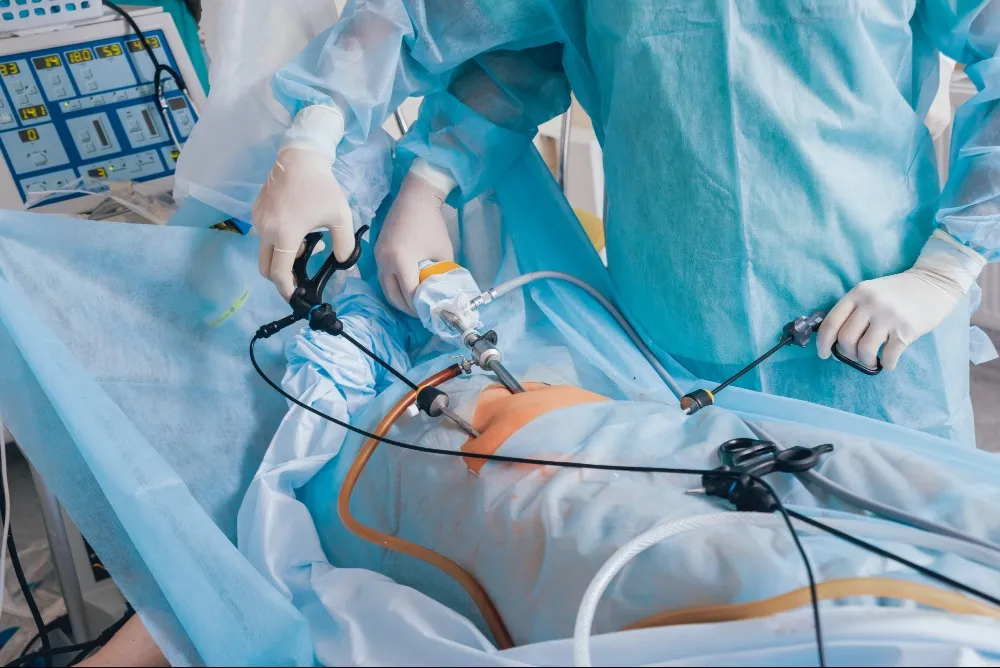
Laparoscopy is a surgical technique that allows the surgeon to view and operate within the abdomen and pelvis through small incisions.
A camera called a laparoscope provides a magnified view of internal structures. Additional small openings allow specialized surgical instruments to be introduced.
The exact number and position of incisions vary according to the procedure.
Which Gynecological Conditions May Be Treated Laparoscopically?
Depending on clinical circumstances and surgical suitability, laparoscopy may be considered for conditions including:
- Uterine fibroids
- Ovarian cysts
- Endometriosis
- Certain causes of pelvic pain
- Ectopic pregnancy
- Selected hysterectomy procedures
- Some fertility-related conditions
- Other benign and selected complex gynecological problems
Not every patient or condition is suitable for the same surgical approach.
Laparoscopic Surgery Compared With Open Surgery
The key difference is how the surgeon accesses the operative area.
Open abdominal surgery generally involves a larger incision. Laparoscopic procedures use several smaller access points.
Because tissue disruption at the abdominal wall may be reduced, minimally invasive surgery can offer recovery-related advantages for appropriately selected patients.
However, 'minimally invasive' should not be confused with 'minor.' Procedures such as laparoscopic hysterectomy or complex endometriosis surgery remain significant operations requiring proper preparation, surgical expertise, and postoperative care.
What Happens Before Surgery?
Preoperative planning depends on the procedure.
Patients may undergo blood tests, imaging, anaesthesia assessment, and other investigations based on their age and health.
The surgeon should also discuss:
- Why surgery is recommended
- Alternatives to surgery
- Planned surgical technique
- Possibility of changing the operative approach if necessary
- Important procedure-specific risks
- Expected hospital stay
- Recovery restrictions
- Future fertility considerations where relevant
Patients should use this discussion to clarify what the surgery is intended to accomplish.
What Is Recovery Like?
Recovery differs according to the operation rather than simply whether it was laparoscopic.
A diagnostic procedure is very different from extensive endometriosis surgery or hysterectomy.
Patients may experience temporary abdominal discomfort, fatigue, bloating, or shoulder-tip discomfort after laparoscopy. Activity is gradually increased according to the surgeon's instructions and the type of procedure performed.
Returning to work also depends on occupation. Someone with a desk-based role may have different requirements from a person whose job involves lifting or prolonged physical activity.
Is Laparoscopy Always Better?
No surgical technique is universally best.
Open surgery can remain appropriate when disease is extensive, anatomy is complex, particular medical considerations are present, or the surgeon determines that another approach provides greater safety or effectiveness.
The important question is not whether the incisions are smaller. It is whether the selected technique is suitable for the condition and patient.
For women in Pune, Maharashtra, access to minimally invasive gynecological surgery provides additional options for conditions that previously often required conventional abdominal surgery.
Dr Kunaal Shinde, Best Gynecologist works in gynecology and minimally invasive gynecologic surgery, allowing surgical planning to be based on diagnosis, symptoms, reproductive priorities, and procedural requirements.
When surgery has been recommended, understanding exactly what operation is planned and why that technique has been selected can make the decision considerably clearer.
Keywords