Period pain is common, but pain that repeatedly disrupts work, sleep, studies, exercise, or everyday activities deserves attention. Endometriosis is one possible explanation for persistent pelvic pain, although symptoms alone cannot confirm the condition.
Understanding endometriosis treatment in Pune begins with understanding what endometriosis is and why treatment differs from one woman to another.
What Is Endometriosis?
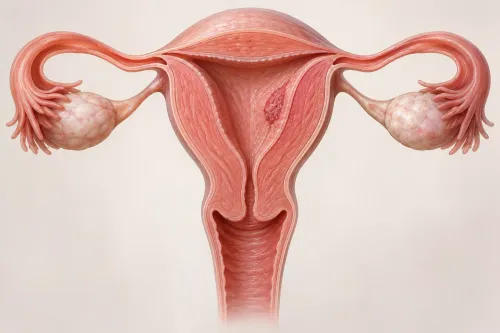
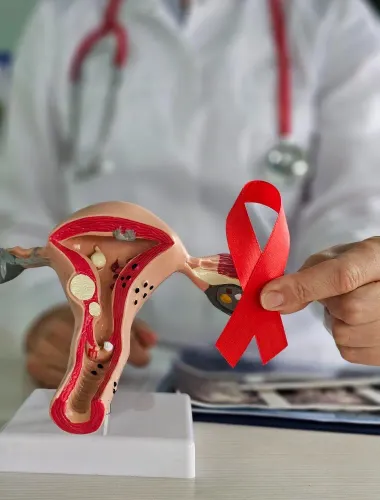
Endometriosis is a condition in which tissue similar to the lining of the uterus grows outside the uterus. These areas can occur around structures within the pelvis and may be associated with inflammation, scarring, adhesions, pain, or fertility concerns.
Symptoms vary widely.
Some women experience significant symptoms despite relatively limited disease, while others may have extensive endometriosis with fewer obvious complaints.
Symptoms That May Need Evaluation
Possible symptoms include:
- Severe menstrual pain
- Persistent pelvic pain
- Pain during or after intercourse
- Pain associated with bowel movements or urination, particularly around menstruation
- Difficulty conceiving
- Abdominal bloating
- Menstrual symptoms that increasingly interfere with normal activities
These symptoms can overlap with several other gynecological, gastrointestinal, and urinary conditions. Evaluation is therefore important before assuming that endometriosis is the cause.
How Is Endometriosis Investigated?
A gynecological consultation generally begins with the pattern and duration of symptoms.
The doctor may ask when pain occurs, whether it is related to menstruation, how symptoms affect daily life, whether intercourse is painful, and whether pregnancy is currently or eventually planned.
Clinical examination and ultrasound may provide useful information. Some forms of endometriosis can be identified more readily on imaging than others.
Additional imaging may be recommended in selected circumstances.
How Is Treatment Chosen?
Treatment should be based on more than the presence of endometriosis alone.
Important considerations include:
- Severity of symptoms
- Age
- Pregnancy plans
- Previous treatments
- Location and extent of suspected disease
- Presence of ovarian endometriomas
- Previous pelvic surgery
- Other health conditions
For some women, medicines and hormonal treatment can help manage symptoms. Others may need surgical evaluation, particularly when symptoms remain troublesome despite appropriate treatment or when particular anatomical problems require intervention.
Does Endometriosis Always Require Surgery?
No.
This is an important misconception. Surgery is one treatment option, not an automatic next step after endometriosis is suspected.
For some patients, conservative treatment and symptom monitoring may be appropriate. For others, laparoscopic surgery may have a role after clinical evaluation.
The decision should consider both immediate symptoms and longer-term reproductive goals.
Endometriosis and Fertility
Endometriosis is associated with fertility difficulties in some women, but an endometriosis diagnosis does not mean pregnancy is impossible.
Fertility planning needs to take several factors into account, including age, ovarian reserve, duration of infertility, partner-related factors, previous treatment, and the extent and location of disease.
Surgery may be useful in selected situations, but it is not necessarily the correct fertility strategy for every patient.
That distinction is especially important before operating on ovarian endometriomas because ovarian function and future fertility plans may influence decision-making.
Living With Persistent Pelvic Pain
Repeatedly treating severe menstrual pain as something that simply has to be tolerated can delay appropriate evaluation.
Keeping a symptom diary before an appointment can be useful. Record when pain starts, how long it lasts, its relationship to menstruation, medicines needed for relief, bowel or urinary symptoms, and whether the pain causes missed work or other disruptions.
For women seeking gynecological care in Pune, Maharashtra, an evaluation can help distinguish suspected endometriosis from other causes of pelvic pain.
Dr Kunaal Shinde, Best Gynecologist provides gynecological and minimally invasive surgical assessment for women with conditions including endometriosis.
The purpose of evaluation is not simply to identify a label. It is to understand why symptoms are occurring, how significantly they are affecting the patient, and which treatment strategy makes sense for her current health and future plans.
Keywords