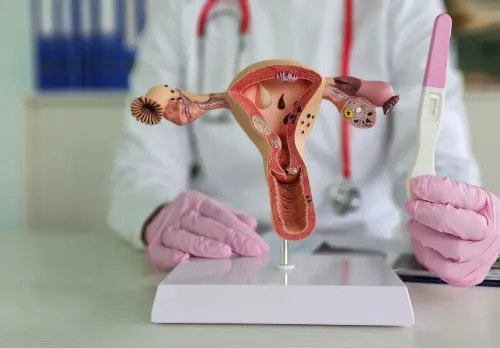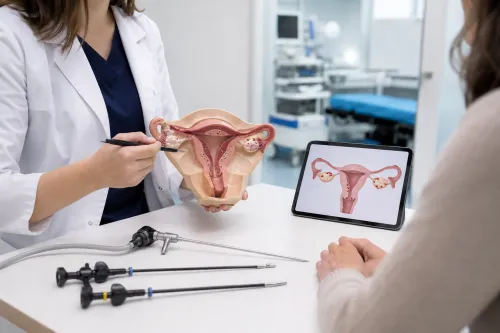

A cosmetic gynecology specialist assesses concerns involving the vulva, vagina and tissues changed by childbirth, injury or aging, then separates normal anatomical variation from symptoms that need medical treatment. By the end, you will know what a consultation includes, which procedures may be discussed, what risks to weigh and how to check whether a practitioner is qualified for the care you are considering.
Key takeaways
- Separate appearance concerns from pain, infection, prolapse, or other medical conditions.
- Bring symptom details, treatment history, childbirth history, and your questions to the appointment.
- Compare surgical recovery, risks, expected results, and non-surgical alternatives before choosing.
- Verify specialist credentials, informed consent, facility standards, and follow-up arrangements in Baner.
What cosmetic gynecology covers—and what it does not
Cosmetic gynecology definition: care focused on a person’s appearance-related concerns involving the vulva, vagina or perineum, and on symptoms linked to those concerns. A consultation may address labial asymmetry, tissue enlargement, childbirth-related changes, scarring, discomfort during exercise or intercourse, laxity concerns, pigmentation concerns and requests for non-surgical appearance treatments.
- It is not a diagnosis for unexplained bleeding, a new vulval lesion, persistent pelvic pain, an enlarging pelvic mass or an abnormal cervical finding.
- It is not a substitute for infection testing, skin-disease assessment or cancer evaluation.
- It does not promise that an appearance change will improve sexual function, continence or self-esteem.
The difference between specialties is the problem being treated. Routine gynecology covers preventive care, contraception, menstrual problems, pregnancy-related care and common reproductive conditions. Urogynecology focuses on pelvic-floor disorders such as urinary leakage, pelvic-organ prolapse and some bowel-control problems. Gynecologic oncology treats suspected or confirmed cancers through biopsy, tumor removal, lymph-node assessment, staging or cytoreduction.
A smaller laparoscopic or robotic incision does not make cancer surgery cosmetic.
A plastic surgery comparison is useful but incomplete: plastic surgery addresses appearance and reconstruction across the body, while cosmetic gynecology applies similar appearance-focused goals to female genital anatomy. Elective genital procedures require careful consent because the American College of Obstetricians and Gynecologists reports insufficient high-quality evidence to establish their safety or effectiveness.
A “cosmetic gynecology specialist” title alone does not establish training in oncology or complex pelvic surgery.
Which concerns belong in a consultation?
A concern belongs in a cosmetic consultation when your goal is clear and no untreated disease explains it. The specialist should ask about discomfort, sex, urination, childbirth changes, previous surgery, medicines, pregnancy plans, mental health, body-image concerns and the result you want—not judge appearance alone.
| Concern | Usually points toward | What the specialist must check |
|---|---|---|
| Labial asymmetry or enlarged labia | Appearance preference, or a functional problem if rubbing causes pain during exercise or intercourse | Skin disease, infection, scarring, tissue injury and whether non-surgical care could help |
| Vulvar pigmentation concerns | Appearance preference | New, changing, itchy, bleeding or irregularly textured areas that need medical assessment |
| Childbirth changes, laxity or scar discomfort | Functional or reconstructive concern | Pelvic-floor problems, prolapse, painful intercourse and the extent of scar tissue |
| Persistent pelvic pain, unexplained bleeding, a new vulval lesion, enlarging pelvic mass or abnormal cervical finding | Condition requiring diagnostic treatment | Gynecological evaluation and referral to gynecologic oncology when cancer is suspected |
Ask what problem a proposed treatment is expected to solve. A change in appearance does not guarantee better sexual function or self-esteem, and labiaplasty carries risks including bleeding, infection, scarring, altered sensation and wound separation. The consultation should also screen for body dysmorphic disorder and discuss alternatives.
Energy-based “vaginal rejuvenation” is not harmless: reported complications include burns, scarring, painful sex and chronic pain.
What happens during the first appointment?
Expect questions about more than appearance. A cosmetic gynecology consultation should cover your symptoms, sexual or urinary concerns, childbirth and surgical history, medications, pregnancy plans, mental health, body-image concerns and the result you want.
1. Describe when the concern began, whether it causes pain, rubbing, bleeding, discharge, itching, difficulty exercising or discomfort during sex. Bring details of previous diagnoses, treatments and operations.
2. The clinician may perform an external examination to assess skin, scars, asymmetry, irritation, infection or a vulval lesion. This is not a judgement of whether your anatomy looks “normal.”
3. A pelvic examination is appropriate when symptoms, examination findings or your medical history require it. The clinician may assess the vagina and cervix, take tests for infection, or investigate another cause rather than label the problem cosmetic.
4. Expect a body dysmorphic disorder screening if your distress centres on a perceived flaw or you seek repeated appearance changes. This conversation protects you from an operation unlikely to resolve the distress.
The clinician should explain whether the proposed intervention is medically indicated and discuss alternatives, such as treating infection or skin disease, managing pain, addressing pelvic-floor dysfunction, using lubrication, changing clothing or exercise habits, counselling, or choosing no procedure.
ACOG states that evidence is insufficient to establish the safety and effectiveness of elective female genital cosmetic surgery, so ask what is known, what is uncertain and what risks apply. Unexplained bleeding, a new lesion, persistent pelvic pain, an enlarging mass or abnormal cervical findings need diagnostic evaluation before any cosmetic decision.
Which procedures are offered, and what are the trade-offs?
Cosmetic gynecology is an umbrella term, not a single operation. It may include labiaplasty for labial size or asymmetry, clitoral hood reduction, vaginoplasty, vaginal tightening procedures, perineoplasty, hymenoplasty and non-surgical treatments marketed for appearance or laxity. Some overlap with reconstructive care after childbirth, injury or congenital conditions, where function—not appearance alone—guides treatment.
| Procedure | Intended change | Trade-offs to discuss |
|---|---|---|
| Labiaplasty | Reshapes labial tissue | Scarring, altered sensation, persistent pain, infection and dissatisfaction |
| Clitoral hood reduction | Removes or reshapes hood tissue | Over-resection can cause exposure, pain or reduced sensation |
| Vaginoplasty | Narrows or repairs the vaginal canal | Bleeding, infection, painful intercourse, scarring and possible revision |
| Vaginal tightening procedures | Address laxity concerns surgically or with energy devices | Results vary; devices can cause burns, scarring, pain during sex and chronic pain |
| Hymenoplasty | Reconstructs hymenal tissue | It does not prove virginity or guarantee bleeding, and carries surgical risks |
The American College of Obstetricians and Gynecologists says high-quality evidence is insufficient to establish the safety or effectiveness of elective female genital cosmetic surgery. Ask which outcome has been measured, how long results last and what happens if the result is unsatisfactory.
Do not accept unexplained bleeding, a new vulval lesion, persistent pelvic pain, an enlarging mass or abnormal cervical findings as cosmetic concerns; they need diagnostic assessment before any elective procedure.
How do you choose a specialist in Baner safely?
Choose a Baner practitioner by verified training and the safety plan, not by the label “cosmetic gynecology specialist.” Check the doctor’s National Medical Commission registration and postgraduate qualifications, then ask which recognized specialty training covers the proposed operation.
- Ask whether the doctor routinely manages pelvic disease, abnormal cervical findings and suspected cancer, not only appearance-related procedures.
- Ask what examination and diagnostic tests will happen before treatment. Unexplained symptoms should never be treated as cosmetic by default.
- For hysterectomy or another pelvic operation, ask why the vaginal, abdominal, laparoscopic surgery or robotic surgery route is recommended for you.
- Ask how complications, histopathology and referral to gynecologic oncology will be handled. In cancer care, smaller incisions do not prove that staging or tissue removal was adequate.
- Ask whether the proposed elective procedure has strong evidence, and what non-surgical alternative or decision to do nothing would mean.
Dr kunaal Shinde - Best Gynecologist - 08048037552 is one practitioner you can assess using these questions, rather than accepting promotional wording as proof of suitability.
| Finding | Safe next step | Why it matters |
|---|---|---|
| Unexplained bleeding, persistent pelvic pain or an enlarging pelvic mass | Request diagnostic evaluation before any cosmetic procedure | These symptoms can indicate pelvic disease or cancer |
| New vulval lesion or abnormal cervical finding | Seek examination and, when indicated, a gynecologic-oncology referral | Appearance treatment could delay diagnosis |
| A proposed robotic operation | Confirm that the surgeon controls the console and explain the cancer or disease objective | A robot does not operate independently |
| Elective genital cosmetic surgery | Ask what evidence supports safety and effectiveness | ACOG says high-quality evidence remains insufficient for these procedures |
Related service
Gynecology Best Cosmetic Gynecology Specialist in Baner, Pashan Aundh, Balewadi,Pune Restore Your Confidence with Advanced Cosmetic Gynecology in Pune, Looking for the Best Cosmetic Gynecology Specialist in Pune? Dr. Kunaal K. View service → |
Frequently asked questions
What does cosmetic gynecology cover?
It addresses appearance-related concerns involving the vulva, vagina, or perineum, including labial asymmetry, tissue enlargement, scarring, pigmentation concerns, and laxity concerns. It also evaluates discomfort during exercise or intercourse when those concerns are involved.
Which concerns belong in a cosmetic gynecology consultation?
Discuss childbirth-related tissue changes, scars, asymmetry, enlargement, discomfort, pigmentation concerns, laxity concerns, and requests for non-surgical appearance treatments. A specialist should also check whether pain, infection, prolapse, or another medical condition explains your symptoms.
What happens during the first appointment?
The specialist reviews your concerns, symptoms, childbirth and treatment history, goals, and expectations. With your consent, they may perform an examination, explain alternatives and risks, discuss recovery, and outline whether treatment is appropriate.
What trade-offs should you compare between procedures?
Compare expected results with recovery time, pain, bleeding, infection, scarring, changes in sensation, possible need for revision, and the limits of non-surgical treatments. Choose only after receiving clear information about alternatives and follow-up care.
How do you choose a cosmetic gynecology specialist in Baner safely?
Check the doctor’s gynecology training and surgical experience, ask where procedures take place, request a clear consent process, and confirm emergency and follow-up arrangements. Avoid providers who promise guaranteed results or pressure you to proceed without an examination.