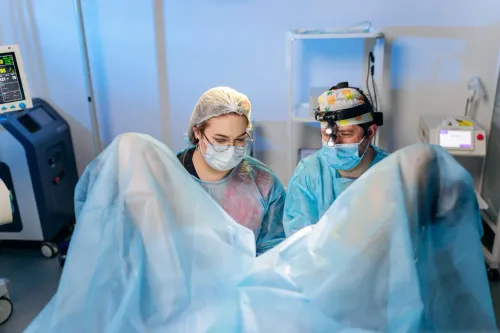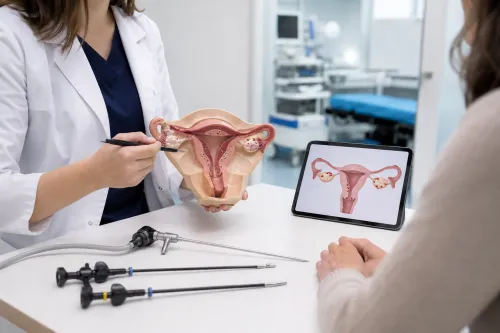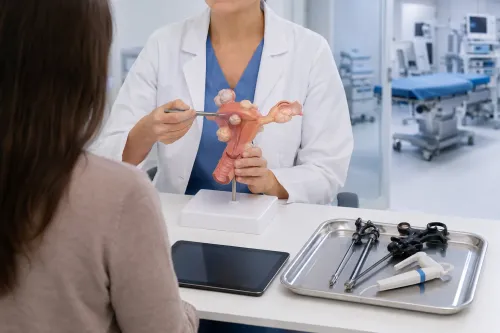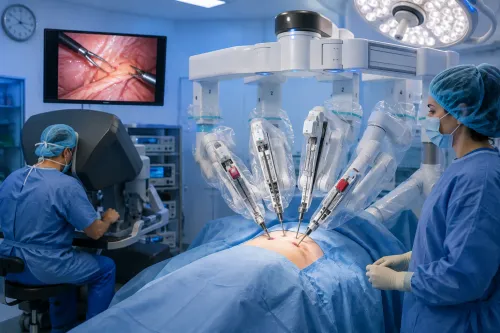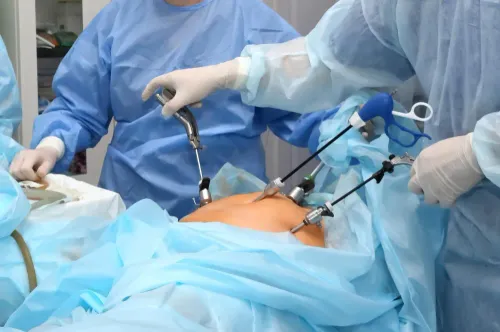
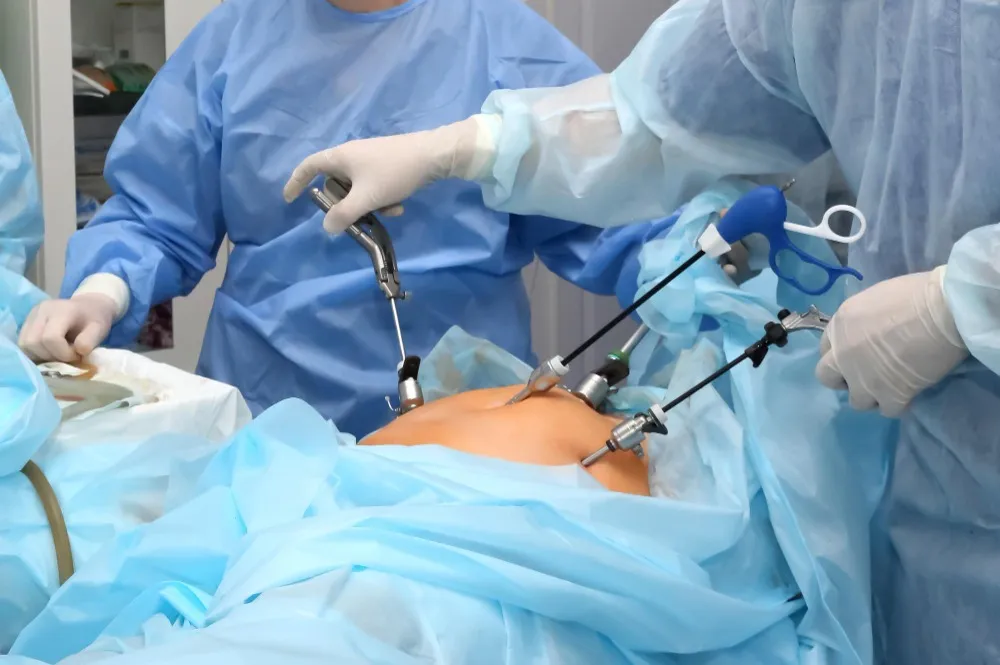
Laparoscopic surgery has transformed the way many gynecological conditions are treated. Instead of making a large incision, surgeons perform the procedure through a few small cuts using a tiny camera and specialized instruments. This minimally invasive approach often results in less pain, smaller scars, and a quicker return to normal activities.
For women in Pune dealing with persistent gynecological problems, understanding when laparoscopic surgery is recommended can help them make informed treatment decisions.
What Is Laparoscopic Gynecological Surgery?
Laparoscopic surgery is a minimally invasive procedure used to diagnose and treat various conditions affecting the female reproductive system. A small camera provides a clear view of the pelvic organs, allowing the surgeon to perform complex procedures with precision.
It is commonly recommended when medication or conservative treatment does not provide adequate relief.
Conditions That May Require Laparoscopic Surgery
Endometriosis
Women with severe pelvic pain or infertility caused by endometriosis may benefit from laparoscopic surgery. The procedure helps remove endometrial tissue while preserving healthy reproductive organs whenever possible.
Uterine Fibroids
Laparoscopic myomectomy is often recommended for women with symptomatic fibroids who wish to retain their uterus and future fertility.
Ovarian Cysts
Large, persistent, or painful ovarian cysts may require surgical removal, especially if they continue growing or appear suspicious during imaging.
Ectopic Pregnancy
An ectopic pregnancy requires prompt treatment. In many cases, laparoscopy is used to remove the affected tissue while minimizing damage to surrounding organs.
Chronic Pelvic Pain
When the cause of long-term pelvic pain remains unclear despite investigations, laparoscopy can help identify and treat underlying conditions.
Certain Types of Hysterectomy
Many women requiring hysterectomy for non-cancerous conditions may be suitable candidates for a laparoscopic approach, leading to faster recovery than traditional open surgery.
Benefits of Laparoscopic Surgery
Compared with conventional open surgery, laparoscopic procedures offer several advantages:
- Smaller incisions
- Less postoperative pain
- Reduced blood loss
- Lower risk of infection
- Shorter hospital stay
- Faster recovery
- Minimal scarring
These benefits make laparoscopy a preferred option for many gynecological procedures when clinically appropriate.
Who Is a Suitable Candidate?
Laparoscopic surgery may be suitable for women who:
- Have persistent gynecological symptoms
- Require fibroid or ovarian cyst removal
- Need treatment for endometriosis
- Are advised to undergo hysterectomy for benign conditions
- Are medically fit for minimally invasive surgery
The final decision depends on the patient's overall health, medical history, and the nature of the condition.
Preparing for the Procedure
Before surgery, your gynecologist may recommend:
- Blood investigations
- Ultrasound or MRI if required
- Review of current medications
- Fasting before surgery
- Pre-anesthetic assessment
Following these instructions helps ensure a safe and smooth procedure.
Recovery After Laparoscopic Surgery
Recovery is generally quicker than open surgery. Most women can walk within a few hours and return home within one or two days, depending on the procedure performed.
Recovery tips include:
- Walk gently to improve circulation.
- Stay hydrated and eat a balanced diet.
- Avoid heavy lifting for a few weeks.
- Take medications as prescribed.
- Attend scheduled follow-up appointments.
Most patients gradually return to their normal routine within a few weeks.
Women looking for advanced minimally invasive gynecological care in Pune often consult Dr Kunaal Shinde – Best Gynecologist, who evaluates each patient carefully and recommends laparoscopic surgery only when it offers the most appropriate treatment outcome.
Is laparoscopic surgery painful?
Most women experience significantly less pain compared to traditional open surgery, and discomfort usually improves within a few days.
How long does recovery take?
Many patients resume light daily activities within one to two weeks, although complete recovery depends on the type of procedure performed.
Will laparoscopic surgery leave large scars?
No. The procedure uses small incisions that usually heal with minimal visible scarring.
Is laparoscopic surgery safe?
When performed by an experienced gynecologic surgeon, laparoscopic surgery is considered a safe and effective treatment option for many gynecological conditions.
Laparoscopic surgery has become an important advancement in women's healthcare, offering effective treatment with faster recovery and fewer complications. Early consultation and proper evaluation help determine whether this minimally invasive approach is the right choice for your specific gynecological condition.
Keywords