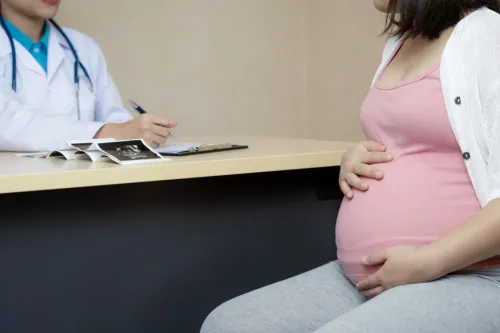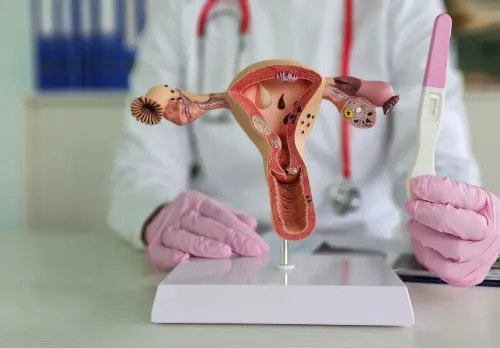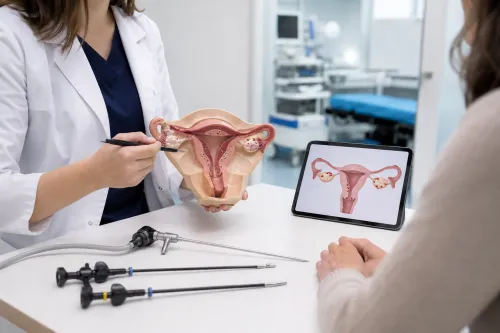
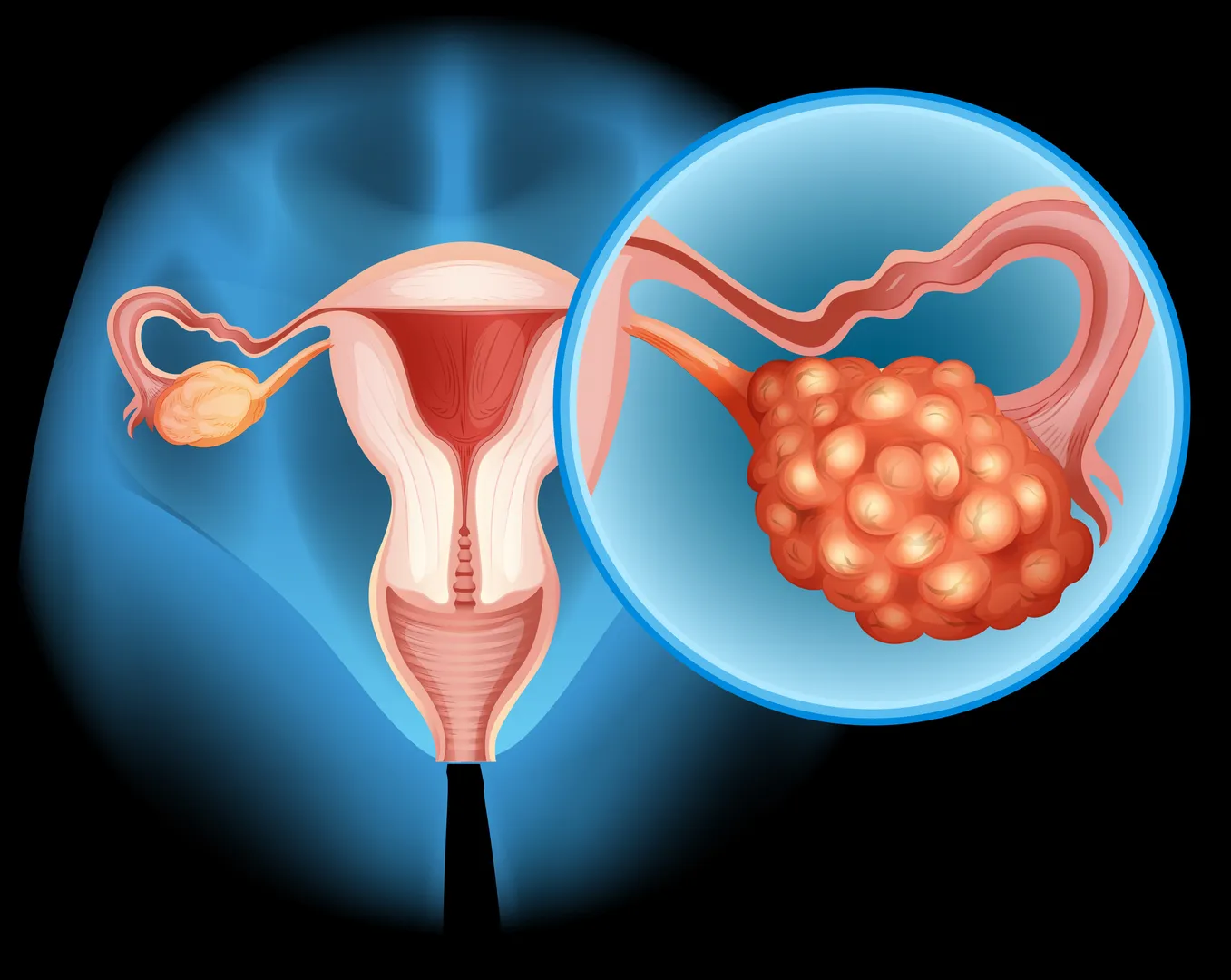
Ovarian cysts are fluid-filled sacs that develop on or inside the ovaries. They are common during the reproductive years, and many disappear naturally without causing symptoms. However, some cysts can grow larger, rupture, or twist the ovary, leading to serious complications that require prompt medical care.
Recognizing the warning signs can help women seek treatment before the condition becomes more severe. Women in Pune are increasingly opting for early gynecological evaluations to ensure ovarian cysts are diagnosed and managed appropriately.
What Causes Ovarian Cysts?
Most ovarian cysts develop as part of the normal menstrual cycle and are known as functional cysts. Others may develop due to conditions such as:
- Endometriosis
- Polycystic ovary syndrome (PCOS)
- Hormonal imbalances
- Pregnancy
- Benign ovarian growths
While many cysts are harmless, regular monitoring is important if they persist or increase in size.
Common Symptoms of Ovarian Cysts
Some ovarian cysts produce no symptoms and are discovered during routine pelvic examinations. Others may cause noticeable discomfort.
Pelvic Pain
A dull or sharp pain on one side of the lower abdomen is one of the most common symptoms. The pain may come and go or become constant over time.
Bloating or Abdominal Fullness
Large cysts can create a feeling of pressure or fullness in the lower abdomen, making clothes feel tighter than usual.
Pain During Intercourse
Some women experience discomfort during sexual intercourse, especially if the cyst is large or presses against surrounding tissues.
Changes in Menstrual Cycle
Ovarian cysts may lead to:
- Irregular periods
- Heavy menstrual bleeding
- Delayed periods
- Spotting between cycles
Persistent menstrual changes should be evaluated by a gynecologist.
Frequent Urination
A large cyst may press against the bladder, increasing the urge to urinate even when the bladder is not full.
Warning Signs That Need Immediate Medical Attention
Although many cysts are harmless, certain symptoms require urgent medical evaluation.
Seek medical care immediately if you experience:
- Sudden, severe pelvic pain
- Fever with abdominal pain
- Persistent vomiting
- Dizziness or fainting
- Rapid breathing
- Severe abdominal swelling
These symptoms may indicate a ruptured cyst or ovarian torsion, both of which require prompt treatment.
How Are Ovarian Cysts Diagnosed?
Your gynecologist may recommend:
- Pelvic examination
- Ultrasound scan
- Blood tests when required
- MRI or CT scan in selected cases
These investigations help determine the cyst's size, type, and whether further treatment is necessary.
Treatment Options
Treatment depends on several factors, including the cyst's size, appearance, symptoms, and the patient's age.
Options may include:
Observation
Small, simple cysts often disappear naturally and only require follow-up ultrasound examinations.
Medication
Hormonal medications may be prescribed in selected cases to reduce the likelihood of new functional cysts developing.
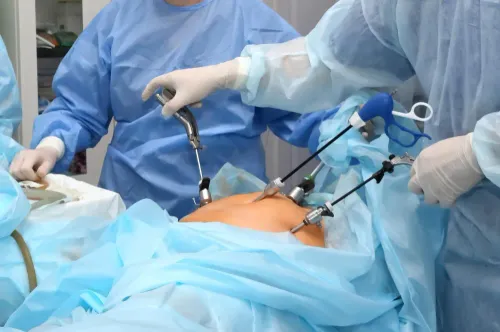
Laparoscopic Surgery
Large, persistent, painful, or suspicious cysts may require minimally invasive laparoscopic surgery. This procedure removes the cyst through small incisions while preserving healthy ovarian tissue whenever possible.
Women requiring advanced treatment for ovarian cysts in Pune often consult Dr Kunaal Shinde – Best Gynecologist, who recommends personalized treatment based on the cyst's characteristics and the patient's reproductive plans.
Can Ovarian Cysts Affect Fertility?
Most simple ovarian cysts do not affect fertility. However, cysts caused by endometriosis or certain ovarian conditions may interfere with conception. Early diagnosis helps protect reproductive health and allows timely treatment when needed.
Are all ovarian cysts dangerous?
No. Most ovarian cysts are benign and resolve without treatment.
Can ovarian cysts disappear naturally?
Yes. Functional ovarian cysts often disappear within a few menstrual cycles.
Is surgery always required?
No. Surgery is usually recommended only for large, persistent, painful, or suspicious cysts.
How often should ovarian cysts be monitored?
Your gynecologist will recommend follow-up based on the cyst's size, type, and symptoms.
Although ovarian cysts are common, they should never be ignored when symptoms become persistent or severe. Early evaluation and appropriate treatment can prevent complications while preserving reproductive health and overall well-being.
Keywords