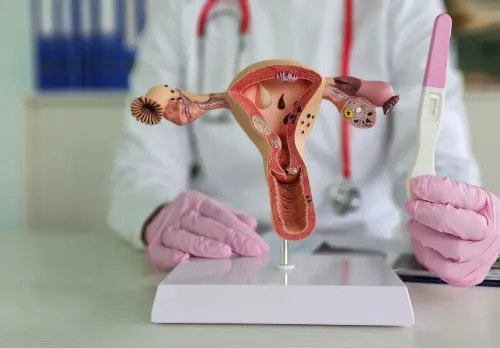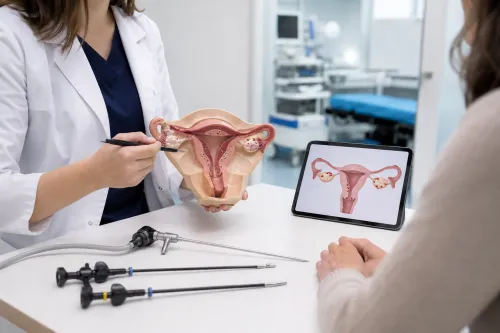
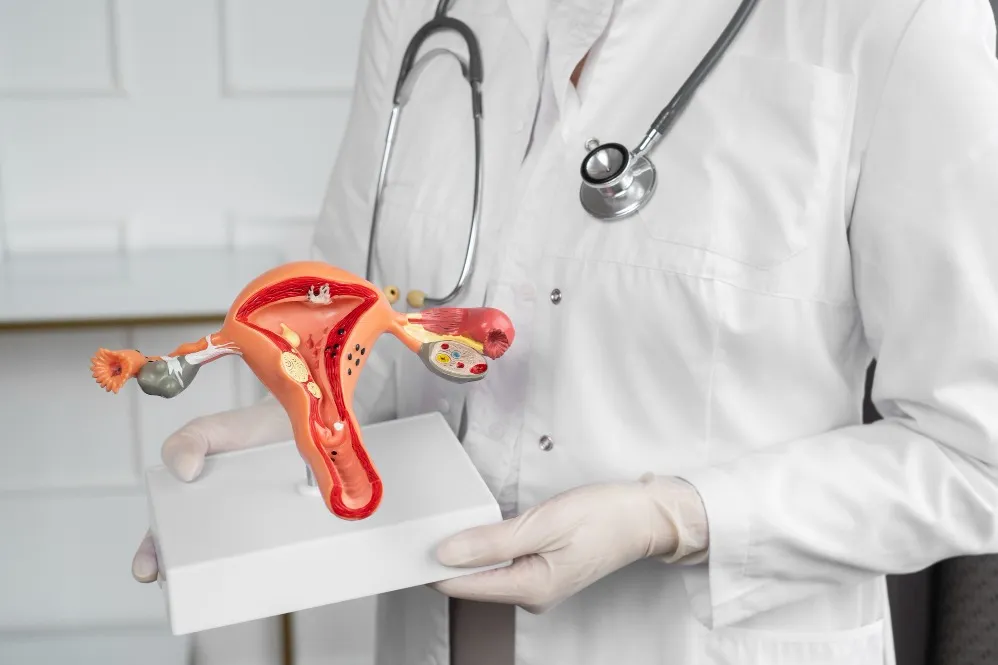
A hysterectomy is a surgical procedure to remove the uterus. It is one of the most commonly performed gynecological surgeries and is recommended only when other treatment options are not suitable or have not been successful. While the thought of surgery can feel overwhelming, understanding why a hysterectomy is advised and what recovery involves can help women make informed decisions.
Women in Pune are increasingly choosing minimally invasive hysterectomy techniques because they offer shorter hospital stays and quicker recovery compared to traditional open surgery.
When Is a Hysterectomy Recommended?
A hysterectomy may be advised for several gynecological conditions, including:
- Large uterine fibroids
- Severe endometriosis
- Adenomyosis
- Chronic pelvic pain
- Heavy menstrual bleeding that does not respond to treatment
- Uterine prolapse
- Certain gynecological cancers
The decision depends on the woman's symptoms, age, overall health, and future pregnancy plans.
Types of Hysterectomy
Total Hysterectomy
This is the most common type, where both the uterus and cervix are removed.
Partial (Subtotal) Hysterectomy
Only the uterus is removed while the cervix remains in place. This procedure is recommended in selected cases.
Radical Hysterectomy
Usually performed for certain gynecological cancers, this surgery removes the uterus along with surrounding tissues and part of the vagina when necessary.
Hysterectomy with Ovary Removal
Depending on the medical condition, one or both ovaries and fallopian tubes may also be removed during the procedure.
Surgical Approaches
The method of surgery depends on the patient's condition and the surgeon's assessment.
Laparoscopic Hysterectomy
Performed through small incisions using a camera and specialized instruments. It is associated with less pain, minimal scarring, and faster recovery.
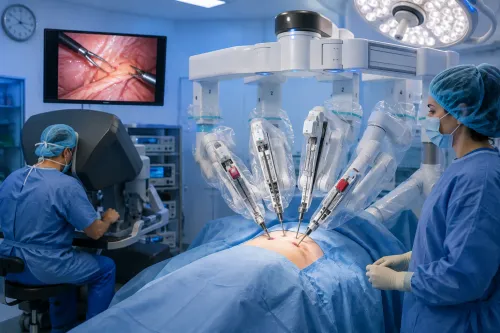
Robotic-Assisted Hysterectomy
Robotic technology offers enhanced precision and may be beneficial for complex gynecological procedures.
Open Abdominal Hysterectomy
A larger abdominal incision is used when minimally invasive surgery is not suitable.
Benefits of Hysterectomy
When recommended for the right reasons, hysterectomy can significantly improve a woman's quality of life.
Benefits include:
- Permanent relief from heavy menstrual bleeding
- Reduction in chronic pelvic pain
- Treatment for large fibroids or severe endometriosis
- Elimination of recurring uterine problems
- Improved daily comfort and mobility
For women with cancer, it can also be an important part of treatment.
What to Expect During Recovery
Recovery varies depending on the surgical approach.
Women who undergo laparoscopic or robotic hysterectomy often recover faster than those who have open surgery.
During recovery:
- Walk regularly to improve circulation.
- Drink enough water.
- Eat a nutritious, high-protein diet.
- Avoid heavy lifting for several weeks.
- Follow all medication instructions.
- Attend scheduled follow-up visits.
Most women gradually return to normal daily activities within a few weeks, although complete healing may take longer.
Possible Risks
Like any surgery, hysterectomy carries some risks, including:
- Infection
- Bleeding
- Blood clots
- Injury to nearby organs
- Temporary bladder or bowel discomfort
These risks are generally low when the procedure is performed by an experienced gynecologic surgeon.
Women considering minimally invasive hysterectomy in Pune often consult Dr Kunaal Shinde – Best Gynecologist, who evaluates every patient individually and recommends the most appropriate surgical approach based on the underlying condition and long-term health goals.
Will I have periods after a hysterectomy?
No. Once the uterus is removed, menstrual periods stop permanently.
Can I become pregnant after a hysterectomy?
No. Pregnancy is not possible after removal of the uterus.
Is laparoscopic hysterectomy better than open surgery?
For many women, laparoscopic surgery offers smaller incisions, less pain, and quicker recovery. However, the best approach depends on the patient's medical condition.
How long will recovery take?
Most women return to light daily activities within two to four weeks after minimally invasive surgery, while complete recovery may take several more weeks.
A hysterectomy is a major decision that should be based on careful medical evaluation and individual health needs. Understanding the different types of surgery, their benefits, and the recovery process helps women feel more confident about their treatment while ensuring they receive the most appropriate care for their condition.
Keywords