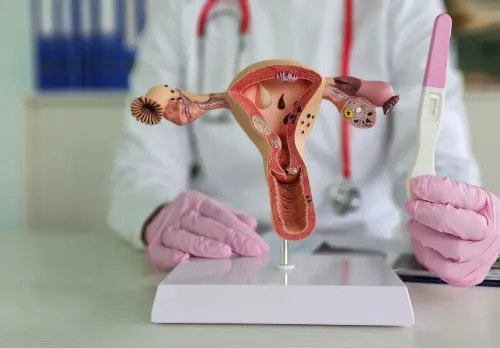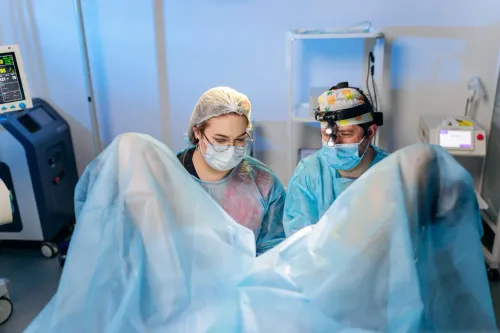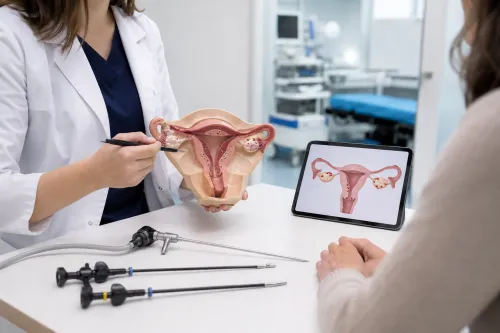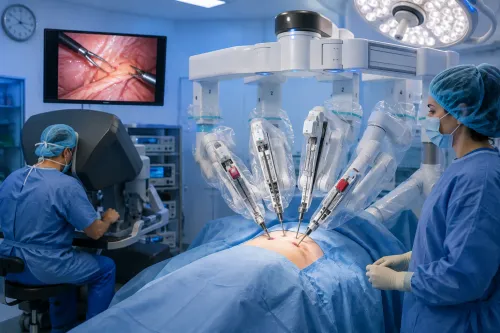
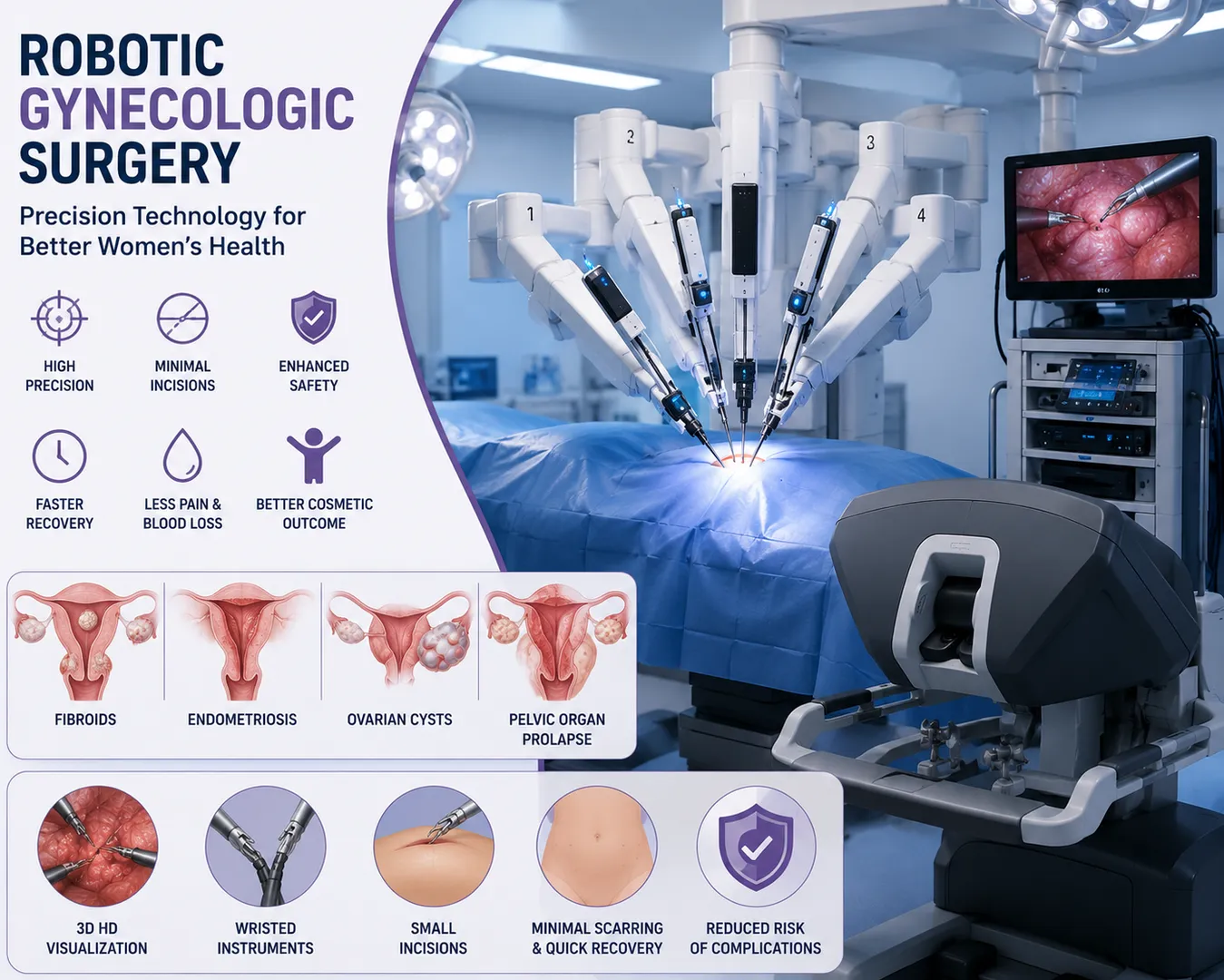
Robotic gynecologic surgery has become an advanced option for treating several complex gynecological conditions. It combines minimally invasive techniques with robotic technology, allowing surgeons to perform procedures with greater precision through small incisions. For many women, this approach can mean less discomfort, quicker healing, and an earlier return to everyday life.
Women in Pune who require surgery for conditions such as fibroids, endometriosis, ovarian cysts, or certain gynecological cancers are increasingly exploring robotic-assisted procedures after discussing their options with a gynecologist.
What Is Robotic Gynecologic Surgery?
Robotic gynecologic surgery is performed using robotic arms controlled entirely by the surgeon. The robotic system does not operate independently—it simply translates the surgeon's hand movements into highly precise movements inside the body.
A high-definition 3D camera provides a magnified view of the surgical area, making it easier to work around delicate tissues and blood vessels.
Which Conditions Can Be Treated?
Robotic surgery may be recommended for women with:
- Large uterine fibroids
- Moderate to severe endometriosis
- Ovarian cysts
- Hysterectomy for benign conditions
- Certain early-stage gynecological cancers
- Pelvic organ disorders requiring reconstructive surgery
The choice depends on the complexity of the condition and whether robotic surgery offers a clear advantage over other techniques.
How Does Robotic Surgery Improve Recovery?
Smaller Incisions
Only a few small incisions are needed, resulting in less tissue damage and minimal scarring compared to open surgery.
Reduced Blood Loss
The enhanced precision of robotic instruments helps minimize bleeding during surgery, which may reduce the need for blood transfusions.
Less Postoperative Pain
Because surrounding tissues experience less trauma, many patients report lower pain levels after robotic procedures.
Lower Risk of Infection
Smaller surgical wounds generally reduce the chance of wound-related infections and promote quicker healing.
Faster Return to Daily Activities
Many women are able to resume light activities sooner than after traditional open surgery, depending on the procedure performed and their overall health.
Is Every Woman a Candidate?
Not every patient requires robotic surgery. Your gynecologist will consider:
- The type of gynecological condition
- Size and location of the disease
- Previous abdominal surgeries
- Overall health
- Future pregnancy plans
- Expected surgical outcome
An individualized evaluation is essential before deciding on the most appropriate approach.
Recovery Tips After Robotic Surgery
Most women recover smoothly by following their doctor's instructions.
Helpful recovery measures include:
- Walk regularly to improve circulation.
- Drink plenty of fluids.
- Eat a balanced, protein-rich diet.
- Avoid lifting heavy objects until advised.
- Keep surgical wounds clean and dry.
- Attend all follow-up appointments.
Recovery timelines vary, but many patients return to routine activities sooner than with conventional surgery.
Women seeking advanced minimally invasive gynecological treatment in Pune often consult Dr Kunaal Shinde – Best Gynecologist, who carefully evaluates whether robotic surgery is suitable based on the patient's condition, medical history, and long-term health goals.
Is robotic surgery completely automated?
No. The surgeon controls every movement of the robotic system throughout the procedure.
Is robotic surgery safer than open surgery?
For appropriately selected patients, robotic surgery can provide several advantages, including less pain, reduced blood loss, and quicker recovery. However, the safest option depends on the individual's condition.
How long is the hospital stay?
Many women are discharged within one or two days, although this varies depending on the procedure and recovery progress.
Will robotic surgery leave scars?
The incisions are usually very small and tend to heal with minimal visible scarring.
Robotic gynecologic surgery represents an important advancement in women's healthcare by combining surgical precision with minimally invasive techniques. For women who are suitable candidates, it can offer a smoother recovery, less postoperative discomfort, and a faster return to normal life while delivering effective treatment for a wide range of gynecological conditions.
Keywords