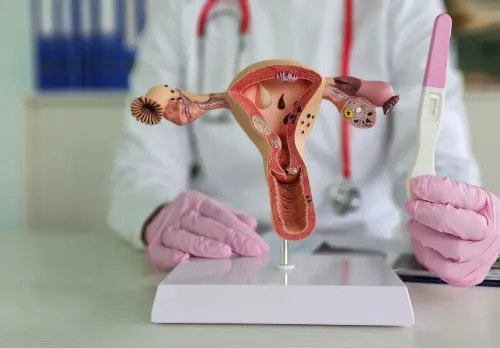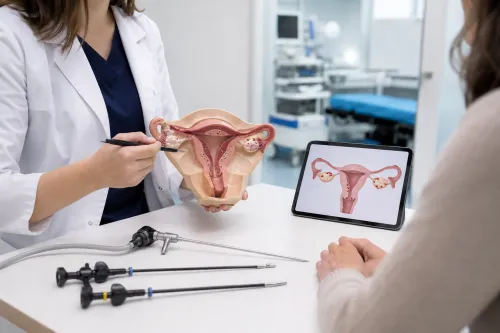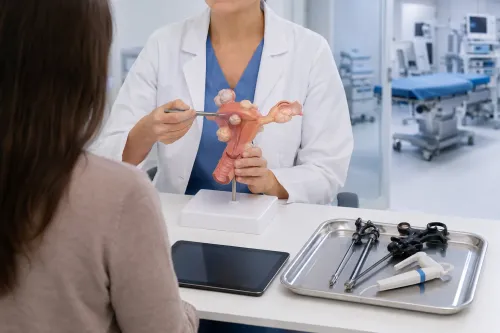
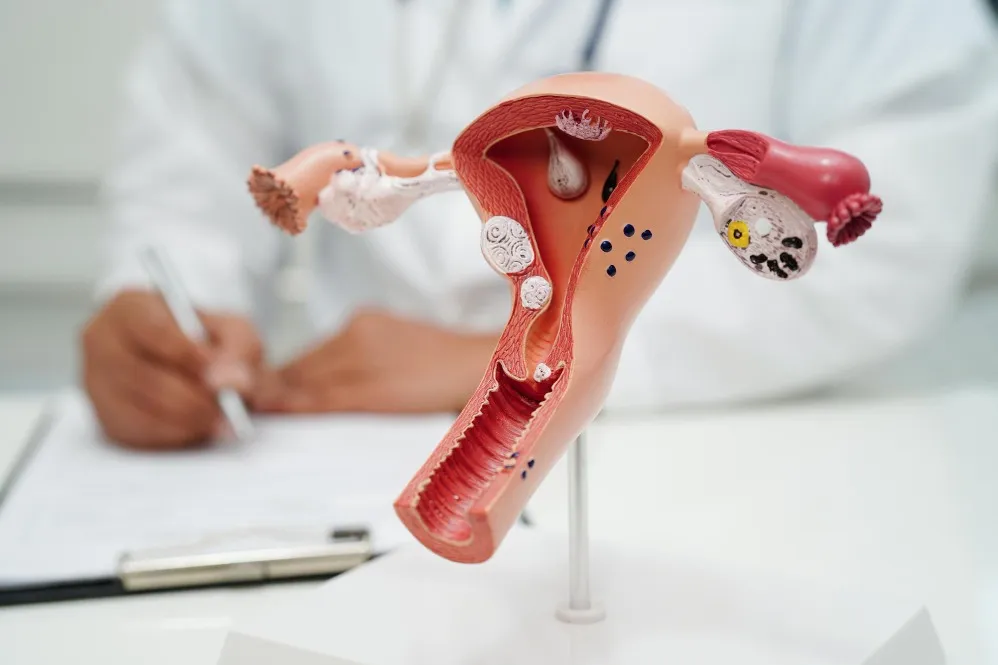
Uterine fibroids are non-cancerous growths that develop in or around the uterus. They are common among women during their reproductive years, although many may not experience noticeable symptoms. When fibroids grow larger or increase in number, they can cause discomfort, heavy periods, and fertility concerns. Seeking timely treatment helps prevent complications and improves quality of life.
Women in Pune are increasingly opting for early diagnosis, allowing treatment before fibroids begin affecting daily activities or reproductive health.
What Are the Symptoms of Uterine Fibroids?
Not every fibroid causes symptoms, but medical evaluation is recommended if you experience:
- Heavy or prolonged menstrual bleeding
- Pelvic pressure or pain
- Frequent urination
- Constipation
- Lower back pain
- Pain during intercourse
- Difficulty conceiving or recurrent pregnancy loss
The severity of symptoms often depends on the size, number, and location of the fibroids.
How Are Fibroids Diagnosed?
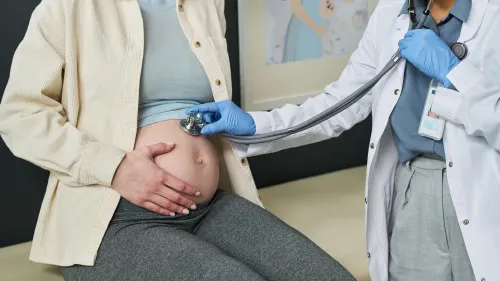
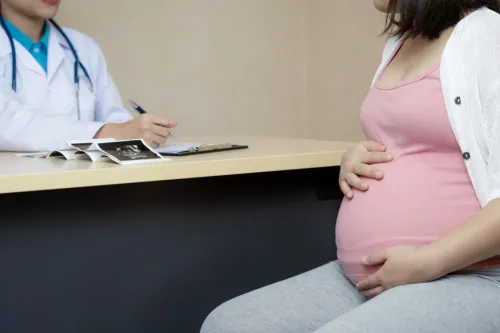
A gynecologist usually begins with a physical examination and reviews your medical history. Depending on the findings, further investigations may include:
- Pelvic ultrasound
- Transvaginal ultrasound
- MRI for complex cases
- Blood tests to check for anemia caused by heavy bleeding
Accurate diagnosis helps determine the most suitable treatment plan.
Best Treatment Options for Uterine Fibroids
Treatment depends on several factors, including age, symptoms, fibroid size, and future pregnancy plans.
1. Regular Monitoring
Small fibroids that do not cause symptoms may only require periodic check-ups. Regular imaging helps monitor any changes in size.
2. Medication
Medications can help control symptoms such as heavy bleeding and pelvic pain. Hormonal treatments may also reduce fibroid-related discomfort, although they usually do not eliminate the fibroids permanently.
3. Minimally Invasive Laparoscopic Surgery
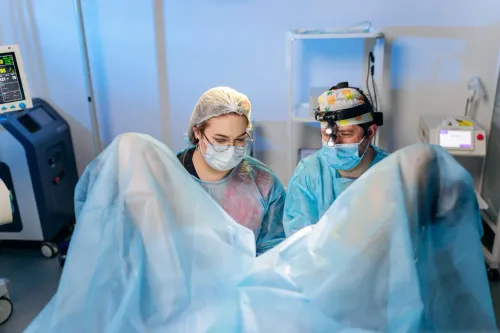
Women with symptomatic fibroids who wish to preserve their uterus may benefit from laparoscopic myomectomy. This minimally invasive procedure removes fibroids through small incisions, resulting in:
- Smaller scars
- Less blood loss
- Reduced pain
- Faster recovery
- Shorter hospital stay
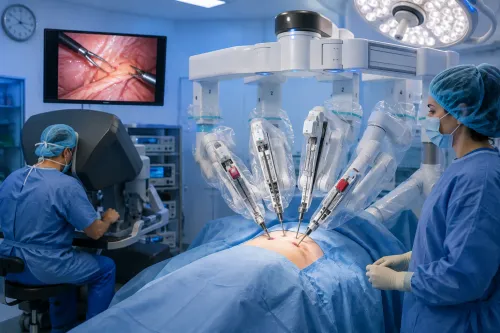
4. Robotic-Assisted Surgery
For selected patients, robotic surgery offers greater surgical precision, especially when treating multiple or difficult-to-reach fibroids. It may improve recovery while preserving healthy uterine tissue.
5. Hysterectomy
If fibroids are very large, recurrent, or causing severe symptoms in women who do not plan future pregnancies, hysterectomy may be recommended. The procedure removes the uterus and provides a permanent solution for fibroid-related problems.
Why Early Treatment Is Important
Ignoring fibroid symptoms can lead to complications such as:
- Severe anemia
- Chronic pelvic pain
- Increased pressure on nearby organs
- Fertility problems
- Pregnancy-related complications
Early treatment often provides more options and may reduce the need for extensive surgery later.
Choosing the Right Treatment
There is no single treatment that suits every woman. Factors influencing the decision include:
- Age
- Fibroid size and location
- Severity of symptoms
- Desire for future pregnancy
- Overall health
An individualized treatment plan usually delivers the best long-term results.
Women seeking minimally invasive gynecological care in Pune often consult Dr Kunaal Shinde – Best Gynecologist, who evaluates each case carefully and recommends treatment based on the patient's symptoms, lifestyle, and reproductive goals.
Can fibroids disappear naturally?
Small fibroids may shrink after menopause, but they usually do not disappear during the reproductive years without treatment.
Are all fibroids cancerous?
No. The vast majority of uterine fibroids are benign (non-cancerous).
Can fibroids affect pregnancy?
Yes. Depending on their size and location, fibroids may interfere with conception or increase the risk of pregnancy complications.
Is surgery always necessary?
No. Many women manage fibroids successfully with observation or medication. Surgery is considered when symptoms are severe, fibroids continue to grow, or fertility is affected.
Timely diagnosis and the right treatment approach can help women manage uterine fibroids effectively while protecting their long-term reproductive health. Consulting an experienced gynecologist ensures that treatment is tailored to individual needs rather than following a one-size-fits-all approach.
Keywords