Many women are told that painful periods are normal. Some pain is common. But pain that keeps you in bed, gets worse each year or does not settle with simple painkillers needs a proper check. One of the most common reasons is endometriosis.
What is endometriosis?
The womb has an inner lining called the endometrium. Every month it thickens and then sheds as a period. In endometriosis, tissue similar to this lining grows outside the womb. It can be found on the ovaries, the fallopian tubes, the ligaments behind the womb, the bowel and the bladder.
This tissue reacts to monthly hormones too. It bleeds and causes swelling, but the blood has nowhere to go. Over time this leads to pain, scarring and organs sticking to each other. About 1 in 10 women of reproductive age are affected.
Symptoms to watch for
• Period pain that gets worse over the years
• Pain in the lower abdomen or back even between periods
• Pain during or after intercourse
• Pain while passing stool or urine, especially during periods
• Heavy or irregular bleeding
• Tiredness, bloating and nausea around periods
• Difficulty getting pregnant
Some women have severe disease with mild pain. Others have small patches with a lot of pain. So the amount of pain does not always match how much disease is present.
What is a chocolate cyst?
When endometriosis grows inside an ovary, old blood collects and forms a cyst. The fluid looks thick and dark brown, like melted chocolate. Doctors call it an endometrioma. It is often the first sign of endometriosis seen on an ultrasound.
A chocolate cyst can slowly damage healthy ovarian tissue and lower the egg reserve. This is why surgery on these cysts needs care, especially in women who want children.
How is it diagnosed?
Your gynaecologist will ask about your symptoms and examine you. A transvaginal ultrasound by an experienced sonologist can show chocolate cysts and deep disease. An MRI helps plan surgery when the bowel or bladder may be involved. Laparoscopy is the only test that confirms endometriosis directly, and it can treat the disease in the same sitting.
Treatment options
There is no single treatment that suits everyone. The plan depends on your pain, your age, the size of any cyst and whether you want to get pregnant.
• Pain relief: anti inflammatory painkillers during periods.
• Hormonal treatment: pills or a hormone releasing device that calm the disease and reduce pain. These work while you take them.
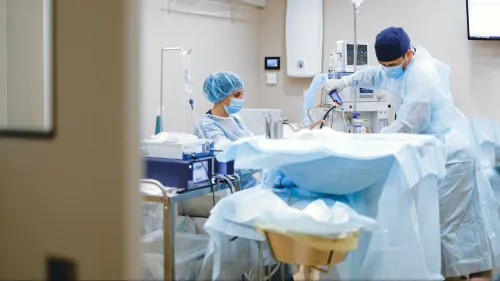
• Keyhole surgery: laparoscopic or robotic surgery removes endometriosis patches, frees organs that are stuck together and removes chocolate cysts while saving as much of the ovary as possible.
Surgery is usually advised when pain does not settle with medicines, when a cyst is large or growing, when the bowel or bladder is involved, or when endometriosis is linked to infertility.
Can I get pregnant with endometriosis?
Many women with endometriosis conceive naturally. Others need help. Removing disease and opening blocked or stuck tubes can improve the chances. For some women, IVF is the better first step. Testing your egg reserve (AMH) before any ovarian surgery helps you and your doctor choose.
Why keyhole surgery?
Endometriosis often sits deep in the pelvis, close to the bowel, bladder and ureters. Laparoscopy and robotic surgery give a magnified view of these areas. Small cuts usually mean less pain, a shorter hospital stay and a quicker return to daily life than open surgery.
When to see a gynaecologist
See a doctor if period pain stops your normal routine, if it keeps getting worse, or if you have pain during intercourse or trouble conceiving. Early diagnosis can prevent years of pain and protect your fertility.
Dr. Kunaal K. Shinde, MBBS, MS (OBGY), Fellowship in Gynaecologic Oncology (GCRI Ahmedabad), Diploma in Minimally Invasive Surgery (Kiel, Germany), Fellowship in Robotic Surgery. Registered with the Maharashtra Medical Council, Reg. No. MMC/2009/05/2317. This article is for general awareness. It does not replace a consultation with the doctor.
Keywords