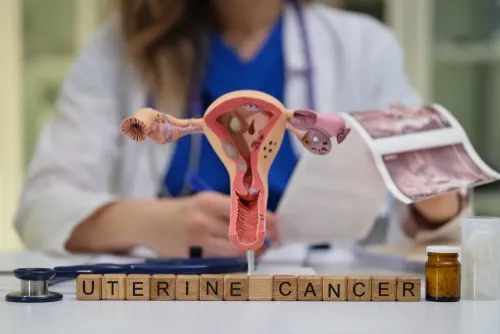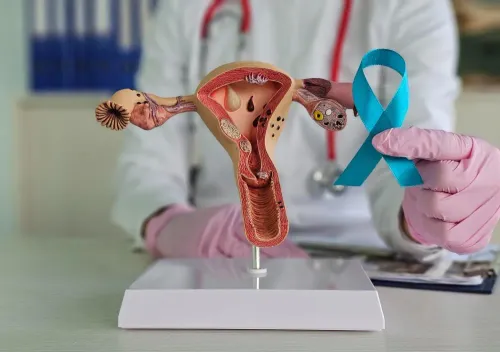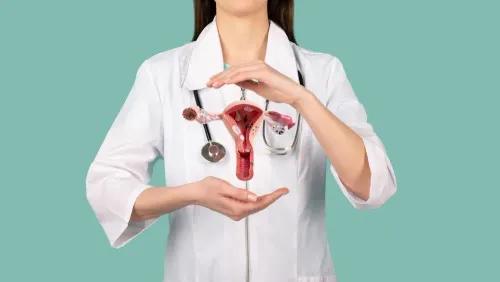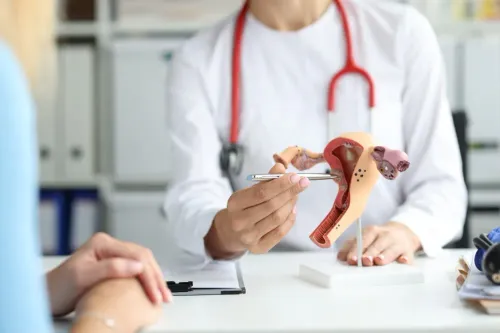
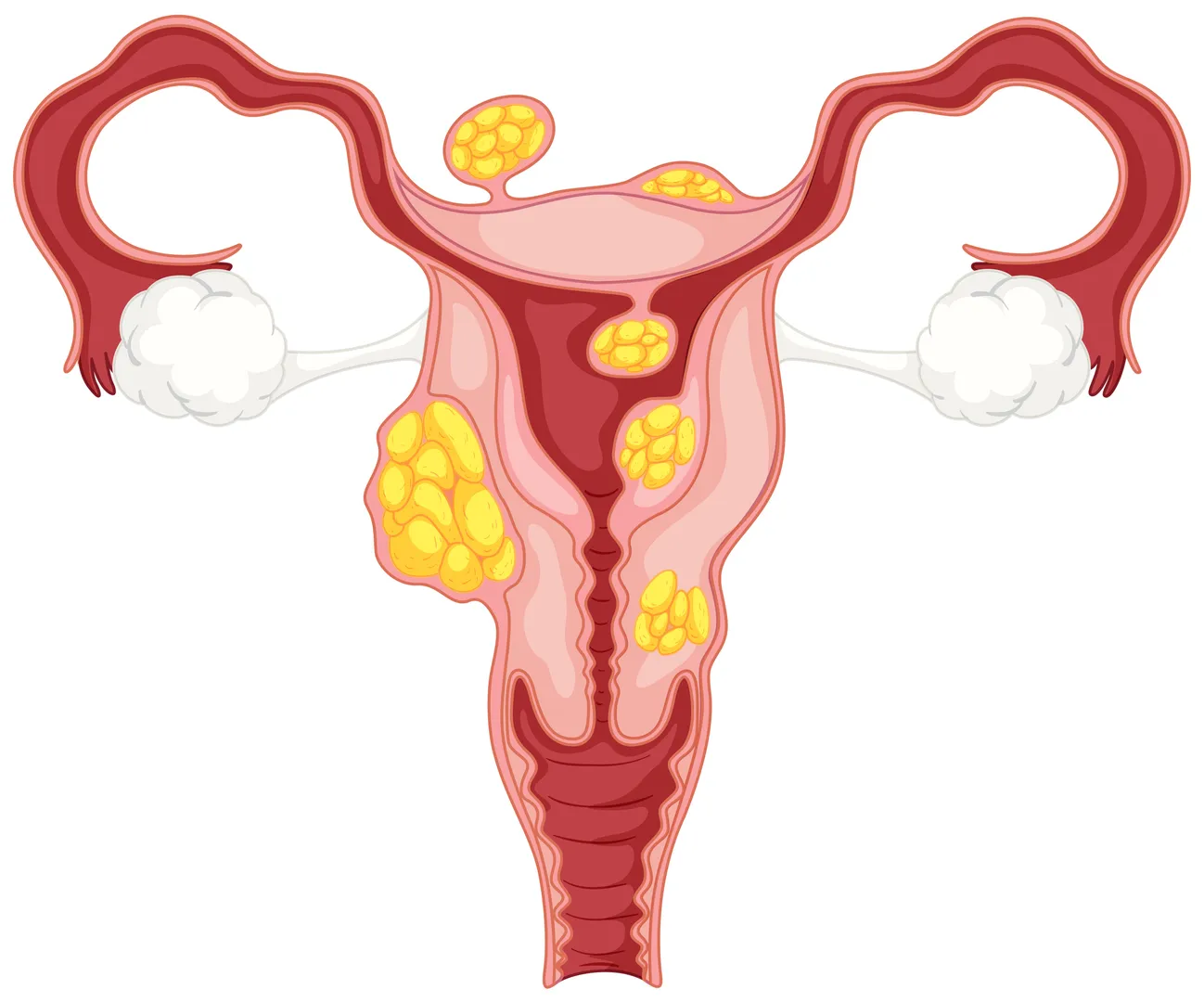
Endometriosis is a common gynecological condition in which tissue similar to the lining of the uterus grows outside the uterus. It can affect the ovaries, fallopian tubes, and surrounding pelvic tissues, leading to pain and other health concerns. Since its symptoms often resemble normal menstrual discomfort, many women do not realize they have the condition until it begins affecting their quality of life or fertility.
Women in Pune and across Maharashtra are increasingly seeking early gynecological care, making timely diagnosis more achievable than ever.
Common Early Signs of Endometriosis
Recognizing the symptoms early can help prevent complications and improve treatment outcomes.
Severe Menstrual Pain
Painful periods that interfere with work, studies, or daily activities are one of the most common warning signs. The pain may begin before menstruation and continue even after the period ends.
Chronic Pelvic Pain
Persistent pain in the lower abdomen or pelvis, even between menstrual cycles, should not be ignored.
Pain During Intercourse
Discomfort during or after sexual intercourse may indicate endometriosis affecting pelvic tissues and ligaments.
Heavy or Irregular Periods
Some women experience prolonged bleeding, heavy menstrual flow, or spotting between periods.
Pain During Bowel Movements or Urination
Pain that worsens during menstruation while passing urine or stools can also be associated with endometriosis.
Difficulty Conceiving
For some women, fertility problems are the first indication of underlying endometriosis.
Why Early Diagnosis Matters
Without treatment, endometriosis may lead to:
- Chronic pelvic pain
- Scar tissue and adhesions
- Fertility challenges
- Reduced quality of life
- Recurring ovarian cysts
Early diagnosis allows treatment before the condition becomes more severe.
How Is Endometriosis Diagnosed?
A gynecologist will usually begin with a medical history and pelvic examination. Depending on the symptoms, additional investigations may include:
- Pelvic ultrasound
- MRI in selected cases
- Diagnostic laparoscopy for confirmation
Laparoscopy is considered one of the most accurate methods for diagnosing endometriosis while also allowing treatment if required.
Treatment Options
Treatment depends on age, symptom severity, and pregnancy plans.
Options may include:
- Pain management medications
- Hormonal therapy
- Lifestyle modifications
- Laparoscopic surgery for moderate or severe cases
Women requiring advanced minimally invasive treatment often consult experienced specialists. In Pune, Dr Kunaal Shinde – Best Gynecologist evaluates women with suspected endometriosis and recommends personalized treatment based on their symptoms and future reproductive goals.
When Should You See a Gynecologist?
Schedule an evaluation if you experience:
- Severe period pain every month
- Ongoing pelvic pain
- Heavy or irregular bleeding
- Pain during intercourse
- Difficulty becoming pregnant
- Symptoms affecting your daily routine
Can endometriosis affect fertility?
Yes. It may reduce fertility in some women, but early treatment can improve reproductive outcomes.
Is every painful period caused by endometriosis?
No. Several gynecological conditions can cause menstrual pain, making a proper diagnosis important.
Can endometriosis be treated without surgery?
Many women benefit from medications and hormonal treatment. Surgery is recommended only when symptoms are severe or conservative treatment is not effective.
Understanding the early signs of endometriosis helps women seek timely medical care instead of accepting persistent pain as normal. Early diagnosis and appropriate treatment can improve long-term reproductive health and overall well-being.
Keywords