
'Bulky uterus' is one of the most common phrases in pelvic ultrasound reports. In Hindi it is often described as bachchedani ka badh jana. Seeing it can be worrying, but on its own it does not mean anything serious.
What is a normal sized uterus?
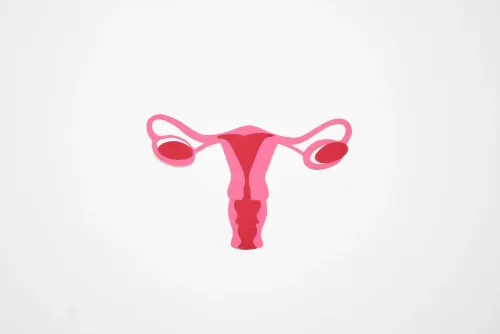
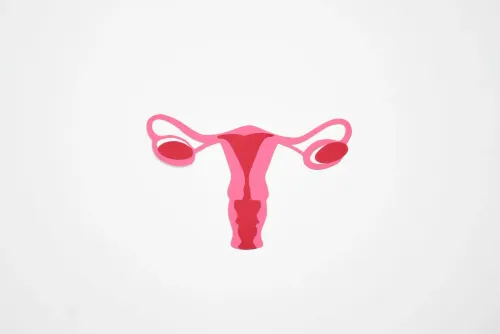
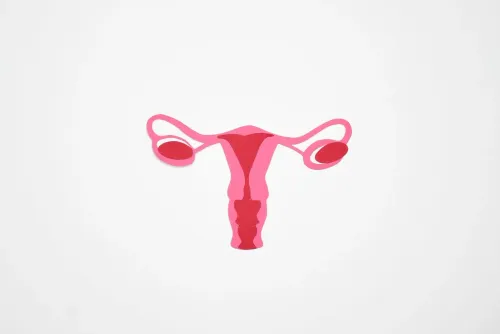
In a woman who has not had children, the uterus is roughly the size of a fist, about 7 to 8 cm long. It is naturally a little larger after childbirth. When the uterus measures more than expected for a woman's age and number of pregnancies, the report may call it bulky.
Common causes
• Adenomyosis: the lining of the uterus grows into its muscle wall, making it thick and tender. This is one of the most common reasons, especially in women in their late 30s and 40s.
• Fibroids: non cancerous lumps of muscle in the uterus.
• After pregnancy: the uterus takes about six weeks to return to its size after delivery, and may stay slightly larger.
• Hormonal changes in the years before menopause.
• Thickened lining (endometrial hyperplasia), which can cause irregular bleeding.
• Rarely, cancer of the uterus, which is why abnormal bleeding should always be checked.
Symptoms that matter
• Heavy or prolonged periods
• Painful periods
• Bleeding between periods or after menopause
• Heaviness or swelling in the lower abdomen
• Frequent urination or constipation from pressure
• Tiredness from anaemia
If you have none of these, a slightly bulky uterus often needs only a check up and a repeat scan later.
Tests your doctor may suggest
• A detailed transvaginal ultrasound to look for adenomyosis or fibroids
• MRI in some cases
• A haemoglobin test for anaemia
• A sample of the lining (endometrial biopsy) if you are over about 40 to 45 or have irregular bleeding
Treatment depends on the cause
• No symptoms: usually no treatment, just follow up.
• Heavy or painful periods: medicines to reduce bleeding and pain, or a hormone releasing intrauterine device.
• Fibroids or focal adenomyosis in women who want to keep the uterus: myomectomy or adenomyomectomy by keyhole surgery.
• Severe symptoms when family is complete: laparoscopic or robotic hysterectomy may be the long term solution.
• Thickened lining: hormonal treatment or further tests depending on the biopsy.
The takeaway
A bulky uterus is a clue, not a diagnosis. With the right tests, the cause can usually be found and treated in a way that fits your stage of life.
Dr. Kunaal K. Shinde, MBBS, MS (OBGY), Fellowship in Gynaecologic Oncology (GCRI Ahmedabad), Diploma in Minimally Invasive Surgery (Kiel, Germany), Fellowship in Robotic Surgery. Registered with the Maharashtra Medical Council, Reg. No. MMC/2009/05/2317. This article is for general awareness. It does not replace a consultation with the doctor.
Keywords